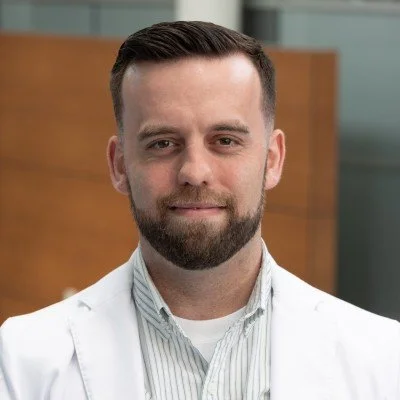
Episode #8: Saira, PA in General Surgery

Saira Rashid is a Physician Assistant in General Surgery at Mount Sinai Hospital, where she has expanded her role beyond clinical work to include teaching, research, and quality improvement projects. In this episode, she walks us through her path to surgery, how she manages a three-tiered PA career, and why keeping an open mind during rotations in PA school made all the difference.
She talks to us about two active studies: a PA-led mobile discharge monitoring app for colorectal surgery patients and a drain management device trial for breast surgery patients. Saira did not have a research background prior to starting, and she breaks down her process from idea to publication. She demonstrates why research is one of the most powerful tools PAs have to advocate for their patients and the PA profession.
WHAT YOU’LL LEARNExpanding PA practice beyond including clinical work, teaching, and research
How to start a research project without a formal research background, including finding collaborators, protected time, and funding
The step-by-step process Saira uses to take a clinical problem and turn it into a publishable study
Why PA-led research matters beyond your own practice and what it means for the PA profession in Canada
“The more research we’re doing, the more we’re publishing, and the more value we’re able to show — that is going to advocate for our profession. When our representatives go to negotiating meetings about regulation and accreditation, it would help tremendously to show the value that PAs have added in many different settings. If we all do a little project to show that we make a difference, it speaks volumes to what we’re able to do.”
GUEST BIOSaira Rashid is a Physician Assistant working in General Surgery at Mount Sinai Hospital. She completed her Bachelor’s of Science in Human Biology at University of Toronto and went on to complete her PA degree at McMaster University in 2012. Along with clinical practice, Saira has completed several quality improvement projects at Mount Sinai and plays an active role in training residents and students. Her interests are doing research work and advocating for the PA profession.
Her research work has been recognized at the annual PA conference for the last four years including winning 2nd place in the CPAEA poster sessions in 2015 and winning 1st place in 2014, 2016-2018. Her most recent submission has been on “Randomized controlled trial on a PA led discharge monitoring tool following colorectal surgery”. She has trained PA clerks and acts as a facilitator for the UOFT PA program.

ON PAs FILLING GAPS IN HEALTHCARE“Being a health advocate is actually one of the most important qualities. If you're a patient advocate, listening to your patients and able to advocate for them, provide patient-centred care — I think we as PAs can fill a very crucial gap in the healthcare system.”
— Saira, PA in General Surgery
ON PIONEERING THE PA PROFESSION“The more I researched and got to know what PAs were doing and are capable of, the more it aligned with my career goals. I would be able to practice medicine in a relatively short period of time, switch subspecialties, and stay stimulated in different ways. And because it was so new to the healthcare system, I thought it was very exciting to be part of an innovative profession in the Canadian healthcare system.”
— Saira, PA in General Surgery
CHALLENGING THE STATUS QUO WITH QUALITY IMPROVEMENT PROJECTS IN PATIENT CARE“As humans, we have some degree of resistance to change. People get very comfortable in their current processes and how they're doing things, but that doesn't mean that's the most efficient way of delivering care. When you're looking at how things are done, taking them apart, and trying to improve them — you're challenging the status quo, which I think is very important”
— Saira, PA in General Surgery
ON HOW CARING FOR HER POSTOP SURGERY PATIENTS MOTIVATED HER RESEARCH“A lot of these women were already very anxious about their diagnosis. They've just had surgery, worried at home about a drain that's not draining, things are getting worse, it's painful, the swelling is increasing. For me, that was a hard moment. I wished that after everything they'd been through, chemo and all of that, they wouldn't have to suffer with this minor issue at home. So capitalizing on that and designing a project around it — those are the research projects you’re most motivated to see through.”
— Saira, PA in General Surgery
ON STARTING A RESEARCH PROJECT WITHOUT A RESEARCH BACKGROUND“I don't come from a research background. At the very beginning I was very uncertain and fearful because I had no sense of direction — I didn't know where to begin. That uncertainty was very challenging to overcome, but I was fortunate to be working with a group of very strong research leaders who supported my ideas and mentored me through my way”
— Saira, PA in General Surgery
-
Saira's Journey to the Physician Assistant Profession
Saira [0:00] Going back to 2009, I was doing my Bachelor of Science at the University of Toronto, studying as a specialist in human biology with a major in neuroscience. As I was coming to the end of my undergraduate studies, I was trying to figure out which career path I was going to take.
Saira [0:21] I wanted to be in medicine, and like a lot of my peers, going to medical school was one of my priorities. A few family friends came over for dinner one night and said, "Hey, you should look into this program — it sounds new and exciting." So I looked into the physician assistant program. It was very neat and very new.
Saira [0:45] I then Googled and researched some of the US PAs and how the profession had developed there over the years. The more I researched and got to know what physician assistants were doing and were capable of, the more it aligned with my career goals. I would be able to practice medicine in a relatively short period of time.
Saira [1:11] I also liked that I could switch subspecialties if I wanted to change things up and stay stimulated in different ways. And because it was so new to the Canadian healthcare system at that point, I thought it was very cool and exciting to be part of an innovative profession.
Describing What a PA Is
Anne [1:34] For people who don't know, how would you describe what a PA is?
Saira [1:39] That really depends on who's asking. Over the years, I've been asked by various people — whether patients, students, or just innocent bystanders — and I find that the way I answer that question is very different for each group.
Saira [1:55] For students, it's a lot more inspirational — trying to show what PAs are and what we're able to do. For the general public, I try to keep it brief and go into more detail if they seem interested.
Saira [2:16] For patients, I try to highlight the role that PAs play in their care — the gaps we're able to fill and how that's relevant to them. That's my approach to explaining what a PA is.
Saira [2:35] My overall definition is that physician assistants are medically trained professionals who practice medicine under certain delegated tasks based on their skills and competencies, with a pretty wide scope of practice.
Qualities of an Ideal PA
Anne [2:48] What is the ideal PA to you?
Saira [2:50] An ideal PA has four main skill sets. Number one is strong clinical acumen. Number two is being reliable and dependable. Number three is being adaptable. And number four is being a health advocate.
Saira [3:10] It goes without saying that having a strong clinical background and medical knowledge makes you a very good and efficient PA. If you're keen on gaining skills and keeping up with advancements in medicine, you can deliver healthcare at a high level.
Saira [3:35] Secondly, being reliable and dependable. I think that's especially important in our profession because we're working with physicians, allied healthcare, nurses, and many other people within the healthcare team. It's crucial that we're looked upon as someone who can be depended on.
Saira [4:01] Thirdly, I chose adaptable because things are changing. Our role is changing. As PAs get more experienced in their particular field, they're taking on more responsibilities — and they're more than capable of doing so. If you're adaptable and have an open mind, that's a pretty good skill to have.
Saira [4:19] And lastly — and I think this is actually one of the most important — is being a health advocate. If you're a patient advocate, listening to your patients and advocating for them while providing patient-centred care, we as PAs can fill a very crucial gap in the healthcare system.
Choosing Surgery and Finding the Right Fit
Anne [4:45] You're working in surgery now — did you know that was where you wanted to be as a second-year PA student?
Saira [4:47] No. As a second-year PA student I did not. While I was going through my clinical rotations, I kept a pretty open mind about what to expect. I wanted to learn as much as possible from each rotation.
Saira [5:03] It was closer to the very end that I started gathering my thoughts and putting together what I enjoyed and what I didn't. I really liked internal medicine because of the acuity and how sick the patients were — how stimulating that environment was.
Saira [5:22] I also liked some of the practical hands-on skills I was able to polish through my emergency medicine and family medicine rotations — suturing lacerations, incision and drainage, things like that.
Saira [5:38] When it came down to applying for jobs, surgery was actually a really good fit because it offered a bit of both. It had the inpatient clinical side that I enjoyed and also the practical component — assisting in the operating room, doing procedures on the ward like wound care and ostomy care, and still being able to see consults in the emergency department.
Saira [6:11] For me, surgery was a really good fit — but I wouldn't have known that had I not kept an open mind and tried to figure out what I liked and didn't like.
A Week in the Life of a Surgical PA
Anne [6:26] Can you describe a typical week in the life of a PA in surgery?
Saira [6:29] On a daily basis, I'm pretty much managing the inpatient ward. That wasn't the case when we were initially hired, but now with the establishment of medical directives — which are quite comprehensive — I'm able to manage the ward with minimal assistance from the residents.
Saira [6:49] That part of my job is more or less the same every day. It involves rounding with the residents and liaising with nurses and the interprofessional team on the floor.
Saira [7:04] Looking at my schedule on a weekly basis: two days are ward days, and then I have days in the operating room where I'm either the first or second surgical assist. I get to sometimes open and close, prep and drape, and oversee the procedure.
Saira [7:23] Two days a week are outpatient clinic days where I'm seeing consults side by side with the residents and reviewing with staff. And then one day a week is a catch-up day where I free up a few hours for inpatient work as well as research and academic projects.
How the Role Has Evolved Over Time
Anne [8:01] Has this changed over time as you've gained more knowledge and autonomy?
Saira [8:04] It has. When we first started at Mount Sinai Hospital in 2012, we weren't really sure what was expected of us. Our supervising physicians were very supportive and wanted to see the profession grow, but we hadn't yet established our niche in general surgery.
Saira [8:21] Now, looking back over five-plus years, I see my role as having three tiers. One is clinical, which I've touched on. The second is academic — we're very actively teaching PA students, medical students, and even some of the residents. Because we've been there for so many years and provide that continuity of care, we know what the different physicians' preferences are and how certain things are managed, sometimes even better than the residents. So we play a critical role in teaching.
Saira [9:01] The third tier is research. Working with physicians who have a strong research background, I've been able to take on some of the projects I'm doing currently. So the three tiers of my role at Mount Sinai are clinical, academic, and research.
Career Advice for PA Students Interested in Surgery
Anne [9:26] Any tips for PA students aspiring to work in surgery?
Saira [9:31] First and foremost, keep an open mind. If you come across your surgery rotation and you really like the environment, I would recommend being more active in a surgery setting — preferably at a place you'd like to get hired or that is very accepting of PAs — so you can get a feel for what the role would actually look like.
Saira [9:58] Also, if you have some of the skills I mentioned — working well within a team, being a reliable team member, having a keen eye for learning, and being adaptable — I think those qualities would make you a pretty good candidate for surgery.
Mobile App for Colorectal Surgery Patients
Saira [10:22] My interest in research is around health promotion. PAs play a really important role as patient and health advocates, and we have a lot to offer. There are many current clinical frameworks that can be modified and improved to enhance patient outcomes, and a lot of work can be done around patient safety.
Saira [10:55] I'm always looking for opportunities to improve patient safety and quality of care. I'll talk about two projects we're currently doing — one for colorectal surgery and one for breast surgery.
Saira [11:15] For our colorectal surgery patients, we've developed a mobile app as a discharge monitoring tool to support patients after they've been discharged from hospital. There's a lot of evidence that surgery patients go home feeling anxious about their recovery — unsure about what's normal, what's abnormal, and what to expect.
Saira [11:41] The app is a monitoring system that checks in virtually with patients once they're home. We've developed something called a daily health check — a survey that asks questions similar to what we ask when patients are inpatient: How is your pain? How is your nausea? Are you able to eat? Any problems with your incisions, wounds, or stomas?
Saira [12:22] It's a comprehensive questionnaire, and some of the outcome data we're gathering is based on the Quality of Recovery-15 scale, which is a validated scoring tool. Patients fill out that survey every day for the first 14 days they're home.
Saira [13:00] If everything looks fine, they get a check mark and a little progress report at the end of the survey. But if there are red flag responses — a fever, wound leakage, a blocked ostomy with nausea — those are flagged on my provider dashboard, and I'm able to call them directly.
Saira [13:34] If I think they need to come in because of something like a small wound infection I can address, they can bypass the emergency department — where they'd otherwise wait eight hours to be seen — and I can offer that service instead.
Saira [13:48] We completed a pilot study which showed very positive results. Patients loved being able to connect with the surgical team who knew them and their procedure well. Right now we're doing a randomized controlled trial and so far we've seen promising results — it benefits patients and also reduces ER bounce-backs and readmissions. It's beneficial to the system as well.
Improving Breast Surgery Drain Management
Saira [14:31] The second project we just started is for our breast surgery patients. Most of our breast surgery patients — especially those with mastectomies and axillary dissections — have a Jackson-Pratt drain placed under the incision. The purpose of the drain is to evacuate fluid that builds up during healing, preventing seromas, hematomas, and wound complications.
Saira [15:07] Our clinical impression is that a lot of patients come back to the emergency department because these drains aren't working well — they're blocked or not being properly evacuated. Patients are anxious about swelling and leakage around the wound, and they either go to the ER or call the surgeon's office.
Saira [15:35] We're trying to improve that by introducing a JP evacuating device. It's a small plastic device that anchors onto the JP drain and strips the tubing, clearing any clot or debris that may have caused a blockage.
Saira [15:57] By doing so, we're hoping to evacuate any seromas, hematomas, or accumulated fluid under the incision — preventing complications and unscheduled wound-related visits to the ER or the family physician. It's shown to work in other settings, particularly in the US, and we're very early into our randomized project. We'll keep you posted on how things turn out.
The Value and Benefits of PA Research
Anne [16:37] What do you enjoy about research?
Saira [16:40] I enjoy research because it's challenging and exciting. Thinking outside the box, problem solving, getting excited about a topic or an idea, then gathering information, designing the project, and executing the research — I find all of that very stimulating. And over time, I've built it into my role.
Saira [17:16] The other thing that's nice about research is actually seeing patients benefit from your ideas. The processes and frameworks you change, the improvements you bring to the table — seeing patients benefit first and foremost, but also seeing the organization recognize the value you're adding, is very gratifying.
Saira [17:45] And being able to share the work I've done with my peers at the CAPA conferences is also fulfilling. Being recognized year over year for the research work I've done is definitely encouraging.
Anne [18:07] What awards have you won?
Saira [18:09] For the last few years, we've been winning first place for original research at the CAPA poster presentations.
Anne [18:18] Congratulations.
Saira [18:20] Thank you.
Anne [18:24] What are the benefits of participating in or conducting research?
Saira [18:24] There are a lot of benefits, and I'll speak to some general ones and then what's most relevant to PAs. Research is the platform through which we learn about advancements in medicine. It either proves or disproves our ideas, and it's the platform where professionals and leaders in medicine communicate with each other. Once we're researching, publishing, and sharing our knowledge, we're joining those leaders and really paving the way for how the PA role is seen in the healthcare system.
Saira [19:06] Research — especially quality improvement and health promotion projects — challenges the status quo. As humans, we have some degree of resistance to change. People get comfortable with current processes, but that doesn't mean it's the most efficient way of delivering care. When you look at how things are done, take them apart, and try to improve them, you're challenging the status quo. That's very important.
Saira [19:50] More relevant to us as PAs — since we are still, on the grand scheme of things, a very new profession — the more research we're doing, the more we're publishing, and the more value we're able to show, the stronger the case for our profession. When our representatives are going to negotiating meetings to discuss regulation or accreditation, it helps tremendously to show the value PAs have added across many different positions and settings. If we all do a little bit of research to show that we make a difference, it speaks volumes.
Implementing Research to Improve Patient Care Processes
Anne [20:42] What are you changing about your practice as a result of the research you've done?
Saira [20:47] Some of the projects I've done I've actually implemented in my day-to-day clinical practice, and the uptake has been very positive — to the point that some of the residents are also benefiting from the work we've done.
Saira [21:05] I'll talk about one in particular. It was setting up home care for our breast surgery patients. These post-op patients go home all requiring drain care and wound care. But it was a tedious process — everything had to be written out in completion, and the home care had to be accepted by the coordinator and then delivered to the patient at their residence.
Saira [21:21] What I realized quite early on was that there was variability in the way that outpatient referrals were being set up because each resident was doing it their own way. Some referrals were complete, some were not. Patients weren't being discharged because a referral was incomplete. There were a lot of gaps in something that could have been pretty routine.
Saira [22:06] So I asked myself: how could I make this more efficient? How could I routinize the care we provide to these patients? I created template protocols for our home care specialists that outlined exactly what was needed in completion. These were approved by the staff surgeons, nurses, and home care — all stakeholders signed off on the same set of templates.
Saira [22:46] By doing that, arranging home care was just a matter of a click — a complete template would pop up with nothing missing. No more questions about this being incomplete or a patient not being able to go home. The residents found it groundbreaking because in all their other hospitals they were constantly told something wasn't done properly. Now they could do it within seconds. And most importantly, patients benefited from having their care delivered in a systematic way — it elevated the standards of post-discharge care and improved safety as well.
Balancing Clinical Work and Research Challenges
Anne [23:51] How do you balance your work in research with your clinical responsibilities?
Saira [23:55] That's very challenging, goes without saying. We're doing many different things throughout the day. Because Mount Sinai is an academic centre, residents rotate through for weeks at a time and it takes a little while for them to get to know the PA role. It's not always apparent to them how much we do in terms of research, so it's hard to step away from clinical activities without it being noticed or understood.
Saira [24:43] I'm fortunate to be working with a group of physicians who support my research and are able to advocate on my behalf — to say, "Saira needs a few hours set aside for her projects." That's my protected time.
Anne [24:57] What challenges did you encounter in the beginning when starting research?
Saira [25:01] I don't come from a research background. At the very beginning I was very uncertain — fearful, really — because I had no sense of direction and didn't know where to begin. I had volunteered for small research projects during my undergraduate degree, but PA school was such a condensed curriculum that I couldn't free up enough time to delve into research at that point.
Saira [25:35] That uncertainty was very challenging to overcome. But I was fortunate to be working with a group of very strong research leaders who supported my ideas and guided and mentored me throughout. I'm very lucky to have supportive supervising physicians in that sense.
Saira [26:19] Another early challenge was not knowing that we had a research group within our hospital that included research coordinators and statisticians who could help. For beginners, finding collaborators and getting buy-in for your project can be a real challenge. Sometimes funding is an issue and grants are difficult to get. I can see how that would be difficult, although I was fortunate because Mount Sinai had a strong working research group and we were able to push ideas forward and get funding relatively well.
From Idea to Publication: The Research Process
Anne [26:49] If you have an idea for a research project, what is your process from initiation to publication?
Saira [26:55] The first step is identifying the topic — what are we researching? What is the study designed around? Because most of my projects are quality improvement projects, I have a bit of an algorithm for how I like to approach things.
Saira [27:14] The next step is gathering background information — looking at baseline data you'd like to compare against, or doing a literature review to see what else is out there and what others have published along the same lines as your idea. Gathering data can be difficult, especially in a hospital, because there are multiple levels you have to navigate to get data that might be more accessible in other settings.
Saira [27:58] My next step is to brainstorm. How do I want to approach the issue? What study designs are possible, and which one is the most efficient and pragmatic? I also think it's important at this stage to identify your stakeholders — whether patients are involved, whether you need ethics board approval, what kind of review is required. Identifying the key players helps you build your research working group and figure out who needs to be at the table.
Saira [28:38] Once I have all that information — the topic is clear, background work is done, I know the people involved — I design a study protocol. In the protocol, I'm very clear about the thesis, the main goal, the relevance of the project, the methods, the outcomes, and the anticipated results. This gives you a reference frame to go back to.
Saira [29:13] When you get too bogged down in collecting data, you can lose track of the bigger picture. Writing everything out in a protocol helps you refer back to it and check whether you're really on track.
Saira [29:33] The other thing I'd recommend doing early on is creating a data abstraction form — essentially a master sheet where you plot your raw data. It should be encrypted or protected if it contains patient information. If you have all your tools in place first, it makes executing the research that much easier. After that, the next step is executing the project. And the final step is publishing — whether that's in the form of a poster, a paper, or a presentation.
Saira [30:09] Once you've finished the project, looked at your results, and drawn some conclusions, you can present it in whatever format you prefer.
How Physician Assistants Can Start Research
Anne [30:22] What ways can beginners get started with research?
Saira [30:25] One way is to look at the PA role itself. If we dissect what we do, there are some really good research ideas in there. We know that PAs increase access to healthcare in primary care and in any setting — and that increased access reduces wait times, reduces physician burnout, and offers many other positive outcomes. Designing a research project around one of those topics is very valuable.
Saira [30:57] For example, if you want to study reduced wait times as a PA in primary care, you could gather and track data on the patients you see and compare it to baseline data the clinic can provide. That's a pretty solid research project, and it's powerful because it shows the value you've added to that setting.
Saira [31:46] For practising PAs, research ideas can come right out of your workflow. We all face moments in clinic, the operating room, or the ward where we think, "I wish I could make this better," or "I wish this process could be modified to avoid this delay," or "I wish I could improve patient outcomes for X, Y, and Z." If we capitalize on those moments, they can become pretty good research projects.
Saira [32:24] Going back to my breast surgery project — we realized a lot of these women, already very anxious about their diagnosis, had just had surgery and were now worried at home about a drain that wasn't draining, swelling that was increasing, and pain that wasn't getting better. That was a hard moment for me. I wished I could change that for them. Capitalizing on that and designing a project around it — or even just bouncing ideas off coworkers and physicians to brainstorm how to improve it — that's how those projects get started, and they're some of the most meaningful ones.
PA Student Research and Future Directions in Canada
Anne [33:30] How can PA students incorporate research during school?
Saira [33:35] There are any number of ways. One of them — when the opportunity presents itself — is if you see a supervising PA or someone you're shadowing doing research and you can volunteer to participate in an existing project. For someone like me, who didn't come from a research background, seeing a research project or trial up close can lift that sense of fear and uncertainty. It can make you feel more confident and motivated to pursue research once you're practising.
Saira [34:38] Also, now that we have JCPA, which is going to be a great platform, we'll all be publishing and learning from each other's work. Staying up to date with what's happening in the PA world — which topics are being investigated, what research is being published — is a great source of inspiration for students.
Anne [35:16] Do you think there's a lot of research about PAs in Canada right now?
Saira [35:21] There is not, but I'm optimistic that it's emerging. Research unfortunately isn't built into our training currently. But as more and more PAs understand and appreciate the value of research — for our profession and for our everyday work — more people will be inspired to do it. I think we're changing. Hopefully students are being inspired, especially when they come to conferences and see all the research work that's been done. I do believe we're all capable of it. We're a very smart group of professionals, each with a lot to offer, and there's definitely more research coming down the pipeline.
Anne [36:32] What are your future directions in research?
Saira [36:36] I see myself as a health advocate, and a lot of my projects are along the lines of health promotion and quality improvement. I'm going to continue in that direction. I'm always open and always looking for ideas and opportunities to improve current systems and processes. I enjoy it. I'm hoping to publish more, write more for PA journals, and bring new projects and new ideas to the conference next year.
-
Saira Rashid is a Physician Assistant working in General Surgery at Mount Sinai Hospital. She completed her Bachelor’s of Science in Human Biology at University of Toronto and went on to complete her PA degree at McMaster University in 2012. Along with clinical practice, Saira has completed several quality improvement projects at Mount Sinai and plays an active role in training residents and students. Her interests are doing research work and advocating for the PA profession.
Her research work has been recognized at the annual PA conference for the last four years including winning 2nd place in the CPAEA poster sessions in 2015 and winning 1st place in 2014, 2016-2018. Her most recent submission has been on “Randomized controlled trial on a PA led discharge monitoring tool following colorectal surgery”. She has trained PA clerks and acts as a facilitator for the UOFT PA program.
Working as a Surgical PA
Did you know you would be working in surgery as a second-year PA student?
I did not know I would be working in surgery as a second year PA student.
While I was going through my clinical rotations, I kept an open mind about what to expect. I wanted to learn as much as possible from the different rotations I was completing. It was closer to the end of second year that I gathered my thoughts about what I enjoyed the most.
I really liked internal medicine because of clinical acuity of the patients. I also liked the practical hands on skills that I gained through my Emergency Medicine and Family Medicine rotations (e.g. suture lacerations, incision and drainage, etc.).
So when it was the time to apply for jobs, I realized surgery was a good fit for me because it offered a bit of both: the acute medical care on the inpatient ward and a hands on practical component such as assisting in the operating room or performing procedures on the ward like wound care, ostomy care etc.’
What is a typical day and week in the life of a PA in surgery?
On a daily basis I am involved in managing the inpatient ward. This wasn’t the case when we were initially hired but now with the establishment of medical directives, which are very comprehensive, I’m able to manage the inpatient ward with minimal assistance from the residents. On an ongoing basis I round on inpatients with surgical residents, liaise with nurses and the allied health care team for care plans and disposition.
If I were to look at my schedule on a weekly basis, I have two OR days, I am either a first or second surgical assist. I assist in prepping, draping, opening and closing for laparotomies and assisting throughout the case in providing exposure and hemostasis.
Two days per week are outpatient clinic days. I see consults alongside the residents, and review with staff.
One day a week is a catch up day. I free up a few hours to work on various research and academic projects that I am currently working on.
Has your scope of practice changed since gaining experience?
It sure has. When I started at Mount Sinai Hospital in 2012, I wasn’t sure what the expectations were. My supervising physicians were very supportive and wanted to see the profession grow, but it would take some time before the PAs would establish a niche, per say in general surgery.
Looking back to the five years that I’ve been working at Mount Sinai Hospital, I see my role as having three tiers:
Clinical
Academic
Research
The clinical aspect of my job I’ve touched on previously.
Second is academic. I am very passionate about teaching PA students, medical students and even some of the residents. Now that I’ve been working as a general surgery PA for several years, I’ve gained competency in managing general surgery patients. I am also aware of different physicians’ preferences for various management plans. Hence, I am able to guide junior surgery residents in inpatient perioperative care, management of certain postoperative complications and advise on preferred clinical frameworks.
The last piece is research. Working with physicians that are highly research-driven, I’m able to take on many interesting research projects. Of date, I have completed several quality improvement projects that have had huge impacts on patient care in our department.
Any tips for PA students aspiring to work in surgery?
I think students should have an open mind about their interests as they complete PA school. If they like surgery and the environment, I would recommend that students do an elective rotation in a surgical speciality of interest. Preferentially, in a place that is accepting of PAs so that you can get a feel for what the profession would look like and how the scope of practice could be broadened in that particular place. [at the top of your scope of practice].
Conducting Research as a Surgical PA
My interest in Research
My interest in research is around health promotion. I believe PAs play an important role in being patient advocates, and health advocates essentially. As practicing PAs, I know many of us face current processes and clinical frameworks in our workplaces that can be modified to help improve patient outcomes. I think PAs are highly capable of identifying those opportunities for improvement and working to enhance quality of patient care.
Personally, I’m always looking for opportunities and ways to improve patient safety and quality of care that I deliver. Overall, a lot of the projects that I’ve done to date are around quality improvement. I’ll talk about the two that our group is currently working on right now.
Research Project 1: PA led patient discharge app for Colorectal Surgery
For the colorectal surgery patients, we have developed a mobile app as a discharge monitoring tool, to support postoperative patients after they’ve been discharged from the hospital.
Saira & Alifiya presenting at the PA Poster Presentation on the mobile app.
There’s compelling evidence that postoperative patients are unsure of discharge instructions as they transition from hospital to home. Patients have a lot of questions and uncertainties about what is normal vs. abnormal course of recovery at home. In particular, colorectal surgery patients are very anxious about their complex care needs at home, namely incision, drain and stoma care.
Hence, we’ve developed a discharge mobile app, a monitoring system that essentially checks in virtually with patients once they are home. Inside this free app, we’ve developed a survey, called the “daily health check”, based on a validated score, quality of recovery-15 (QOR-15). In patient-friendly language, the survey asks some of the similar questions we would ask to inpatients. Questions that include: How’s your pain on a scale of 1-10? Do you have nausea? Are you able to eat? Do you have any issues around your incisions? Any problems with the drain or Stoma?” and so on. It is a pretty comprehensive questionnaire. The app also features the ability to take a picture of a concerned wound or stoma.
Patients fill out the survey every day that they’re home for the first fourteen days. If everything is okay, then the patients get a satisfactory progress report at the completion of the survey with some helpful tips and education material. However, if patients’ responses raised red flag symptoms (such as fever, wound complication, ostomy issues, intestinal blockage), then the patients are queued to expect a “call back” from the PA or instructed to go to the ER for severe problems.
On an encrypted provider web dashboard, I look at the patients’ answers to the surveys. For all the “call back” statuses, I follow up with patients with a phone call within one business day, resulting in counselling over the phone or arranging for an urgent clinic appointment. In doing so, patients can bypass the emergency department, where they’d have to wait several hours perhaps to be seen for a relatively minor issue.
For this project, we completed a pilot study which showed that patients loved being able to connect with the a member of the surgical team who knows their medical and surgical course quite well and can provide useful follow up.
Right now, we are completing a randomized control trial, which we’re very excited about! We’re almost close to the end and anticipate promising results, namely improving patient outcomes and reduced bounce back to the ER and hospital readmissions.
Research Project 2: Jackson Pratt drain device for Breast Surgery patients
This is a very exciting project for our Breast Surgery patients.
A Jackson-Pratt Drainage System Image from: MSKCC.org
A little bit of background: most of our breast surgery patients, especially those that undergo mastectomies and/or axillary node dissections have a Jackson Pratt (JP) drain placed under the incision. The purpose of the drain is essentially to evacuate fluid that builds up under the incision as part of healing so to prevent any seromas or hematomas that may lead to wound complications.
It’s our clinical impression that a lot of post-operative breast surgery patients return to ER or FD for JP malfunction (i.e. blocked drainage tube, increased incisional pain, swelling and/or erythema, discharge around the drain tube or the incision). These unexpected symptoms cause considerable amount of anxiety in patients and they seek medical attention to be reassessed. Occasionally, increased seroma and hematomas lead to wound breakdown, requiring a prolonged wound closure by secondary intention.
In an attempt to improve patient outcomes for aforementioned drain related problems, we are introducing a JP drain evacuation device. It is essentially a small plastic device that anchors onto the drain tubing at the insertion point and by sliding the device down the tubing, it strips the drain clean of any debris or clot. By introducing this JP-clearing device for post-op use, we hope to evacuate any seromas or hematomas from building up under the breast incision. As a result, we hope to prevent wound-related complications, improve patient outcomes, quality of care and decrease wound related unscheduled visits to the ER or the family physician.
This intervention has shown to work in other settings. So far it’s too early to say what we’ve accomplished. However, with randomization, where some patients receive the JP-clearing device and others do not, we are hoping to have compelling results in the end.
What do you enjoy about research?
Challenging: I enjoy research because it’s challenging and exciting at the same time. Thinking outside the box, problem solving around an idea that I am particularly excited about and then designing and executing the project, is stimulating for me
Benefits patients: Over time, I’ve built research into my PA role at Mount Sinai. I enjoy seeing that patients benefit from the ideas I’ve brought to the table and the processes and clinical frameworks that have improved as a result of my research work.
Fulfilling: My work is often appreciated by both patients and staff for the positive contribution to quality of care, so that’s very gratifying. Also, being able to share the knowledge and research work with my peers at the annual CAPA conferences is very fulfilling. For the last several years, our group at MSH has been recognized for the research work that we’ve done, winning 1st place prize for original research in poster presentations, which is very encouraging.
What are the benefits of conducting research as a PA?
There are many benefits for conducting research.
Professional leaders: I believe research is the platform whereby leaders in medicine communicate their ideas, inventions, evidence-based guidelines, supporting or disapproving certain ideas etc. So, if PAs conduct and publish their research work, they become leaders in medicine sharing their expertise and highlighting the value they add to the healthcare system.
Challenges status-quo: Another benefit, especially of health promotion research projects, is that it challenges the status quo. Humans, being creatures of habit by nature combined with bureaucracy of often large healthcare organization, it can make difficult to advocate for improving existing patient care. However, as health care advocates, I think PAs can play a vital role in illustrating the need for health promotion as a result of their research work.
Also, in the grand scheme of things the PA profession is fairly new. The more research PAs conduct and publish, the more value we are able to show, advocating for our profession. So, when our PA representatives go to negotiation meetings with those in charge about regulation and accreditation of our profession, it would help tremendously to show the value that PAs have added in many different settings in the Canadian healthcare system.
If more and more PAs publish their research work demonstrating value as a PA in a particular setting,– it speaks volumes to what we’re able to do, collectively, as health care professionals.
What are you changing in your practice as a result of the research you’ve done?
Some of the research projects that I’ve completed, have actually modified the delivery of patient care on our surgical floors. I’ll discuss one example in particular.
Standardized home care pathways- We know there’s strong evidence that unclear communication regarding discharge planning makes it difficult for patients to transition from hospital to home, compromising patient safety.
We noticed that our postoperative breast surgery patients often required home care referrals for routine interventions such as drain and incision care. Since these referrals were completed online by residents rotating frequently, the parameters of care written in the referrals varied. As a result, following problems were identified:
Referrals often lacked necessary information compromising patient care at home
Incomplete referrals required a resident to amend referral, delaying patient discharge
Residents found it very time consuming to type out referrals for routine interventions daily
To address these issues, I created a CCAC template with parameters of care for routine intervention (i.e. JP drain care) that was comprehensive, with all the necessary detail. This template was approved by the staff surgeons, nurses and home care coordinator. Upon approval, the templates were made available on the TCLHIN home care referral portal. With just one click, the template and the entire care pathway would be auto-populated to the referral.
Since the implementation of this tool, there has been drastic reduction in the number of queries regarding referral completion. This also improved the process of discharging patients as the referrals no longer delayed discharges. The residents also benefited tremendously from having pre-approved templates as they could complete referrals in seconds with all the necessary details.
Most importantly, patient care was improved since there was no miscommunication about the care they should receive at home.
That’s just one example of what I was able to do successfully and how it’s actually implemented in my day to day practice.
How do you balance your work and research with clinical responsibilities?
So that’s very challenging. It goes without saying that I am wearing many hats throughout the day. The residents see me as a vital member of the surgical team. Appreciating my clinical role, they are not necessarily aware of my non-clinical duties such as academic and research. So it’s very difficult to balance my duties and find time for my research work.
I’m fortunate to be working with a group of physicians that support my research work and are able to advocate for me to say “Saira needs a few hours set aside where she’s going to catch up some of her projects” and that’s my protected time.
What challenges did you encounter in the beginning of starting research?
I don’t come from a research background. At the very beginning I was very uncertain and fearful because I felt I had no sense of direction – I didn’t know where to begin. I did volunteer for small research projects when I was doing my undergraduate degree, but in PA school, it was such a condensed medical curriculum that I couldn’t free up enough time to delve into research at that point.
That uncertainty was challenging to overcome. I’m fortunate to be working with a group that has very strong research leaders and they’ve supported my ideas, providing constructive feedback and mentoring me along the way.
I encountered early on that we had a research group that consisted of research coordinators and statisticians within the hospital that could help. I can see that could be challenging for beginners to research if they do not have access to these resources. Other challenges can be really getting buy in for your project and finding collaborators. Sometimes finance is an issue, and grants can be difficult to get. However Mount Sinai has a great research group, and we were able to push for ideas and get funding.
How to Do Research
What is your research process from initiation to publication?
I have a little bit of an algorithm on how I like to do things or how I like to approach research projects.
Step1: Identify the Topic
The first step is identifying what the research topic for our study.
Most of my projects are Quality Improvement (QI) projects.
Step 2: Gather Background Information
The next step is to gather background information, which could involve: looking at baseline data that you’d like to use as control, doing a literature review to see what other similar studies are published, reviewing evidence to see if the topic of interest is worth researching.
Gathering data can be difficult, especially if you’re working in a hospital and you don’t know how to approach it – there may be challenges in getting access to raw Electronic Medical Records (EMR) data that might otherwise be more accessible in other settings.
Step 3: Brainstorm Ideas
You are asking yourself, “How do I want to approach the issue at hand? How can different studies be designed? What’s the most efficient, practical or pragmatic way to approach this question / topic?”
Tip: Identify Stakeholders!
It’s important to also identify stakeholders and/or key players that may need to get involved in your research
Do you have patients involved? If so you may require research ethics board approval
Are you doing chart review? Who do you have to go through to get the charts, and permission to review the charts?
Identifying the key players in your research will help you navigate and come up with a research working group, and who it is that you need to include in your research meetings to help you move your ideas forward.
Step 4: Design the Study Protocol
Once I have done the background work, I have a rough idea of the process, and I know the people that are involved, then I design the study protocol.
In the study protocol, I am very clear about the thesis, the main goal. Here you clearly state methods, study outcomes, anticipated results, so you have a reference frame to go back. This is helpful when you get too bogged down with actually collecting the data and doing the research, you may lose track of the bigger picture.
Tip: Create a Data Abstraction Form
A Data abstraction form is a way of collecting all of your raw data so its encrypted/protected if there is patient information. It’s also a central tool or master sheet where you can plot your raw data that you will analyze later on.
If you have all of your tools in place first, it makes it easier to carry out the research once you’re actually doing the project.
Step 5: Execute the Project
This is where you are actually doing the project
Step 6: Publishing the project
Once you finish the project and you can look at your results and drawn some conclusions, you choose a format to present the data. You can choose to present it as a written paper, or a poster presentation.
How can beginners get started with research?
Look at the PA role itself. If we dissect the role, there are some really good research ideas you can get from there.
PA Research through Increasing Health Care Access
For example, we know that PAs increase access to health care in primary care through:
Reduced wait times
Reduced physician burnout
Increased number of patients seen in clinic
If we even look at some of those and dissect that, we can design a research project around that topic – which is very valuable!
To take this example further, let’s say you reduce wait times as a PA in primary care, you can gather data, keeping track of the patients you see. This data can be compared to baseline data in the EMR you may have against wait times BEFORE a PA was added to that practice.
This topic of reducing wait times is a pretty solid research project, and it speaks volumes because once you publish it, you’re able to show the value you added to that particular setting.
PA Research through Clinic Workflow
Some of the ways existing PAs can get into research would be from looking at their current workflow in a clinical setting. For example, we all face moments where we say, “Gee, I wish I could make this better” or “if this framework could be modified, it could really improve patient outcomes” while we’re working in clinic, in the operating room or on the wards.
Workflow issues are typically problems we face in everyday practice. I think if we capitalize on those ideas, they can yield pretty good research projects.
An example of a research idea that came from Surgery / Patient Care workflow:
For example, going back to my current project we’re doing for our breast surgery patients, we realized that a lot of these women were already very anxious about their diagnosis having just had surgery. They were worried about drains working improperly, increased pain and swelling.
For me as a PA clinician, that was an ‘aha’ moment to say, “I wish I could change that for them” or “given everything they’ve gone through with chemotherapy, radiation and surgery, I wish they wouldn’t have to suffer with the drain related minor issue at home”.
So capitalizing on that, we designed a project. This required collaborating with my coworkers and physicians.
How can PA students incorporate research during PA school?
There are a number of ways PA students can get involved in research. One may include an opportunity through a supervising physician/PA in the clerkship to volunteer or participate in their existing research projects. It’s a great way to get your foot in the door and to see how research is conducting, vicariously.
For someone like me who does not have a research background, that sense of fear or uncertainty might be lifted once you’ve seen a research project or trial being performed.
It can also make you feel more confident and motivated once you are a practicing PA.
Also staying up to date with the PA literature via JAAPA and JcanPA, students can learn about various research opportunities and get inspired to conduct their own research projects.
Journal of Canada’s PAs (JCanPA.ca), is a great platform where student PAs can publish research and get valuable feedback.
Is there a lot of research about PAs in Canada right now?
There is not, but I’m confident and optimistic that it’s emerging. Conducting research is not built into the PA training, in the Ontario schools. I think there is value in PAs understanding and learning the importance of research, and what it means for our profession from the PA training programs.
We’re definitely on the path to having more research and publications coming from PAs, especially since the establishment of the JCANPA, an open access journal for Canadian PAs. I believe PAs are highly competent individuals, with a lot to offer. I am optimistic that more research is coming down the pipeline.
What are your future directions in research?
I’m always open and always looking for ideas and opportunities to improve the current health care system and processes. I’m going to continue researching and publishing more, and writing for more PA journals. I’m hoping to bring new projects and new ideas to the Canadian PA conference next year!