Episode #29: Shada & Toni, McMaster PA Students
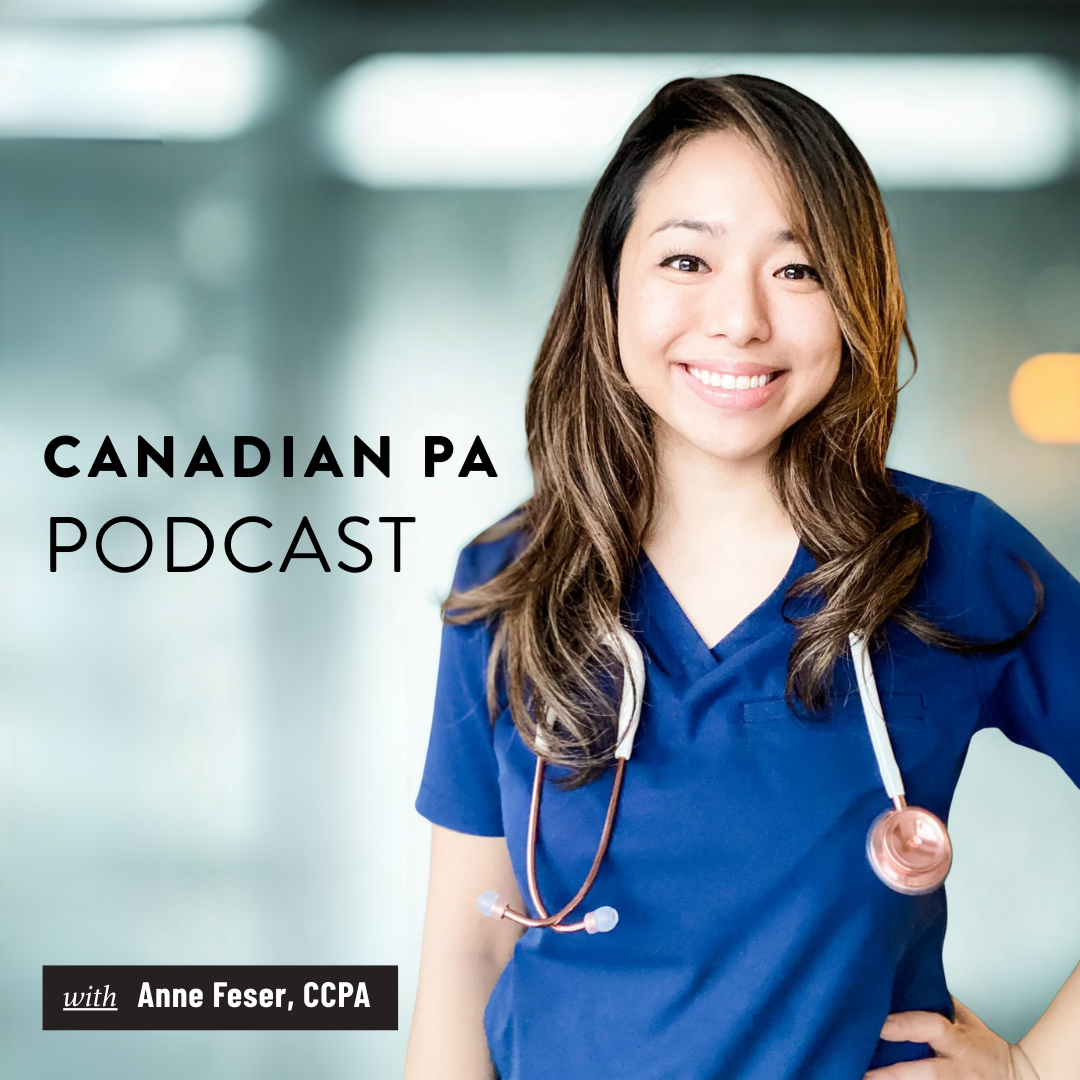
McMaster University PA students Shada and Toni share their successful journeys from undergraduate studies to the Physician Assistant program. They discuss the advantages of lateral mobility in medicine and the intensive problem-based learning model that defines the McMaster experience. The conversation highlights why clinical experience is not the only path to a strong application, focusing instead on leadership and personal reflection. Practical strategies for the Multiple Mini Interview process offer candidates a roadmap for navigating the competitive admissions cycle with confidence.
WHAT YOU’LL LEARNWhat PA lateral mobility means for career flexibility and specialty changes
How PBL works in McMaster’s PA program
How to prepare for the MMI
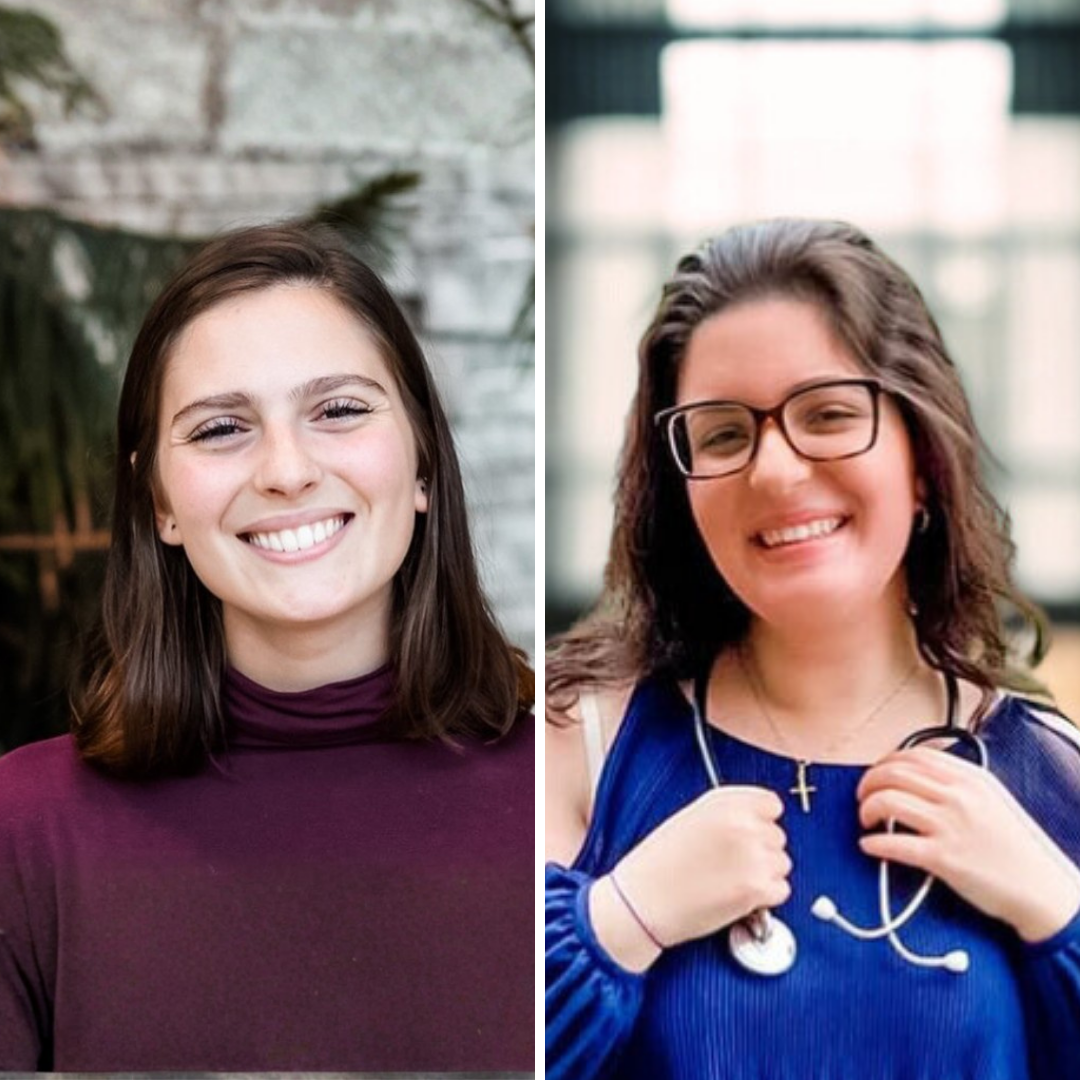
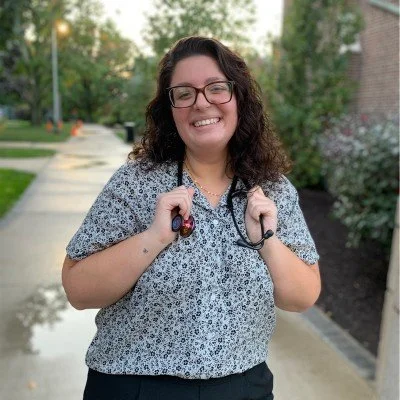
GUEST BIOToni, PA-S1 Toni is a first-year PA student at McMaster University with a background in Honors Biochemistry and Psychology. Before PA school, she was a lead planner for McMaster’s Science Welcome Week and a volunteer assisting individuals with spinal cord injuries.
Shada, PA-S1 Shada is a first-year PA student at McMaster University who completed her undergrad in Biomedical Science and Neuroscience at the University of Guelph. A long-time camp counselor turned senior staff member, she brings a deep focus on advocacy and community to her journey toward becoming a PA.
MEMORABLE QUOTE“You don’t need the perfect resume for PA school. You need meaningful experiences you can reflect on.”
-
Introduction
Question [0:00] Welcome everyone to our Q&A today with McMaster PA students Shada and Toni. I'm Anne — I'll be moderating. I'm a practicing Canadian PA in orthopedic surgery here in Toronto. You can find more information and resources on canadianpa.ca. I'm also on Instagram and YouTube.
Answer (Toni) [0:17] Hi everyone! My name is Toni. I'm a first-year student in the Physician Assistant program at McMaster University. I did my undergrad at McMaster as well, in honours biochemistry with a minor in psych. I'm from Toronto, and a fun tidbit about me — I have an Australian shepherd named Marlow.
Answer (Shada) [0:43] My name is Shada. I'm also a first-year PA student at McMaster. I did my undergrad at the University of Guelph — a major in biomedical science and a minor in neuroscience. Some fun things about me: I play piano, and I recently had surgery, so I apologize if my voice cuts out or I need to take a little break.
Question [1:14] Just a quick FYI — all official, up-to-date information on McMaster PA admissions can be found on their official website. Always contact the program if you have specific questions regarding transcripts or admission requirements. There are also a couple of very helpful resources to review if we don't answer your questions today. Here's a quick overview of what we're going to cover: Part One is questions on your pre-PA journey.
Chapter 2: Why Did You Choose to Become a PA?
Answer (Toni) [1:52] Similar to many others, I had that very classic med-school mindset. I only knew that if you wanted to go into medicine, it was as an MD — I didn't know PAs even existed. In fourth year, I was having a chat with my thesis professor, who is a pediatrician at McMaster Children's Hospital. We were talking about what I wanted out of medicine, my goals and aspirations, and she looked at me and said, "Have you ever thought about being a PA?" I said, "What's that?"
Answer (Toni) [2:32] She set me up to speak with an old student of hers who is now a PA. We got coffee and she got to tell me about her role. The idea of lateral mobility — the ability to work in one specialty as a PA and then apply to another specialty without any additional schooling — really appealed to me. I also loved the idea of being part of a profession that had advocacy at the forefront. Being a PA is a new and evolving role, and I love the idea of being an advocate not only for my patients but for the changing healthcare system.
Answer (Toni) [3:25] Once I started PA school, it just instilled that love for the profession even more. I'm part of a class of 23 passionate, motivational, inspiring people — it makes me so excited to get to work alongside them in medicine. Starting the PA program has made me want to be a PA even more.
Answer (Shada) [3:50] Super similar to Toni — I was also on a classic MD route. I went to university to study biomed, and I really had no idea what options were out there. In first and second year, I was surrounded by pre-meds, all checking the same boxes we thought we had to check. But when it finally came down to writing the MCAT and getting really serious about it, I had to take a step back and ask myself: what are my actual goals and aspirations? That's when I realized the MD path really wasn't for me — the length of training, the steps required to get there.
Answer (Shada) [4:37] So I started doing my own research. I looked into a ton of different healthcare professions and did a lot of shadowing. I shadowed so many different roles I can't even name them all. And finally I got to shadow a PA — that's really where I learned about the profession, and I fell in love immediately. I don't even think I was a few hours in before I thought, "Yep, this is what I want to do." I loved watching her interact with her patients — she had such a good relationship with them.
Answer (Shada) [5:09] Talking to her one-on-one, I learned more about advocacy, how new the profession was, how PAs were working to close barriers and bring access to healthcare to individuals and areas that don't have it. I loved everything the profession stood for, and I loved what we were able to accomplish within a shorter amount of time, with the ability to move between specialties. It checked off all my boxes.
Answer (Shada) [5:48] When I got to PA school, I didn't realize how big the advocacy piece would be. I'd seen the Instagram accounts and read blogs, but I didn't realize how many PAs were out there advocating for this profession, and how large the community was. It just made me even more excited — just like Toni said, each and every one of our classmates is so passionate. It's incredible to see, and it makes me so excited to get out there and practice one day.
How Did You Choose Your Undergrad Degree?
Question [6:19] Where did you do your undergrad, how did you choose it, and where were you in your career when you decided to apply to PA school?
Answer (Toni) [6:26] I did honours biochemistry with a minor in psychology. Honestly, looking back at how little I knew when I started university and how much I've grown since — the way I picked my stream was essentially: I like biology, I like chemistry, I'm not great at physics, so biochemistry sounds pretty good. I didn't realize I was applying to one of the more competitive streams at Mac.
Answer (Toni) [7:14] The more thought-out decision was choosing to minor in psychology. I took a psych course in first year and fell in love with the content. Biochemistry gave me an avenue into research — something I wasn't sure I'd enjoy — and it turned out I did. The psych component was purely because I love learning about the human mind and why we behave the way we do. Both have been applicable in PA school. Biochemistry gave me a systematic way of thinking and exposure to problem-based learning. The psychology piece helps you understand patients in any human interaction.
Answer (Toni) [8:51] But honestly, just like my PA journey, I was really just trying to get into MD programs and checking all the boxes for required courses. It wasn't until fourth year, about two months before applications opened, that I discovered the PA profession. So I got into the PA game pretty late. I honestly commend anyone in high school or early in their undergrad watching this — you're much more ahead than I was.
Answer (Shada) [9:47] I did my undergrad at the University of Guelph — biomedical science major, with a neuroscience minor added in second year. What's cool about Guelph is you go directly into your stream. I knew in high school I wanted to do something in the medical field, so I looked at all the biomed courses — anatomy, physiology, pharmacology — the ones I was truly interested in. I didn't know what I wanted to do with it yet, but I knew I wanted to study it.
Answer (Shada) [10:43] I don't regret my undergrad at all — it was very difficult but I love having a physiology and anatomy background. I can look back at old notes and draw on that knowledge. For the neuroscience minor, I just loved learning about the brain — the anatomy and physiology side, the tiny molecular mechanisms. I don't know how much I'll use it directly, but it was wonderful to learn.
Answer (Shada) [11:53] What I always tell pre-PAs who are in high school and asking what major to choose: just choose whatever you love. If you love music, do music. If you love art history and also like science, do a major and a minor in something that brings you joy. Toni and I came from different backgrounds, and so did all 23 of our classmates — but we all bring something to the table. It's so nice that everybody learns something different in undergrad and then comes together to learn the clinical side.
What Undergrad Experiences Made You a Strong Candidate for PA School?
Question [12:58] With regards to extracurriculars, jobs, or any exposure you had in undergrad — what were the things that really helped shape you into a strong candidate?
Answer (Toni) [13:07] I know a lot of pre-PAs stress about getting as many hands-on clinical hours as possible. But to be frank, some of my most valuable experiences came from non-clinical extracurriculars. The one that really comes to mind is Welcome Week — first-year orientation at McMaster. I started in second year as a general rep, became an executive in third year, and in fourth year I actually planned Welcome Week for the entire Faculty of Science — an event for over 2,000 students.
Answer (Toni) [13:57] That experience shaped me professionally and interpersonally. I had to interact with different faculties, external personnel, and co-planners. We always had to communicate effectively and stay on the same page. I used to be a very shy person who avoided conflict, but that role forced me to step outside my comfort zone and learn how to handle conflict professionally and respectfully.
Answer (Toni) [15:00] I really want to stress that every extracurricular I picked wasn't to check a box or look good on a resume — it was because I was fueled by genuine passion. Welcome Week wasn't just something that looked great; it taught me important skills and developed a whole network of connections. Some of my best friends came from that experience — including one classmate who I met through Welcome Week and ran into again in PA school.
Answer (Toni) [16:12] Another extracurricular I'll mention is Mac Wheelers — a volunteer program at PACE, the Physical Activity Centre for Excellence. I worked with people with spinal cord injuries and multiple sclerosis, helping them with their exercise routines and modifications. I also got to learn about the nuances of their conditions and just have great conversations during workouts. It was near and dear to my heart. Everything I did, I asked myself: do I have the time to fully dedicate myself to this, and do I genuinely love it? That's what makes you talk so passionately about it when you're asked to reflect on it.
Answer (Shada) [17:55] I completely agree. I believe any extracurricular will shape you into a strong candidate — for PA school or anything you're applying to. I had a love-hate relationship with extracurriculars in undergrad because I was in box-checking mode. I started off just volunteering at hospitals and public health clinics because I thought I had to. I wasn't doing work in areas I was actually interested in — it wasn't for me, and I had to shift my mindset.
Answer (Shada) [19:16] The experience that really comes to mind is camp. I worked as a camp counselor every summer since I was 16. I worked my way up to senior staff and ended up planning camp, though I couldn't give up working with the kids directly. I didn't even think of it as something I could speak to in a PA application — I just thought of it as my summer job. But I was really able to draw powerful experiences from it.
Answer (Shada) [20:10] As part of senior staff, I was responsible for the safety of 120 kids and planning their daily activities. I learned conflict resolution, how to give and receive feedback, how to collaborate as a team and grow as a family. I grew my communication skills enormously — with parents, kids, and coworkers. Once I reflected on it, I thought, "Wow, I learned so much. I can absolutely talk about this on the interview and on the application."
Answer (Shada) [21:38] What I always tell pre-PAs: go back, look at everything you've done, look at the instances that made you uncomfortable or made you grow, write them out or journal them, and think about how you can use them to answer questions. That's what made me confident on my applications — I knew exactly what I would say and the examples I would draw on. Bottom line: do what you love, reflect on it, and think about why it would make you a better candidate.
Chapter 5: Why Did You Choose McMaster's PA Program?
Answer (Toni) [22:36] I'll be completely candid — I only applied to the two PA schools in Ontario: U of T and McMaster. I only received an interview at McMaster, but I am so fortunate for that, because the program really caters to who I am as a learner. McMaster operates using problem-based learning, which I'll get into in more detail — but essentially, it allows me to go at my own pace. My classmates might take three hours to prep for a PBL class; I might take six. But by the time we arrive, we can have a meaningful discussion about what we're learning.
Answer (Toni) [24:22] I also love group learning. In undergrad I was almost intimidated by it — I felt like if I didn't know enough, I'd look dumb in front of my peers. But I love it now because it's shown me that not knowing something as well as someone else doesn't mean I don't know what I'm talking about — it just means I'm not as strong in that particular area yet. A classmate will bring up a resource I didn't even think to look at. It builds on your knowledge, and it's much less intimidating than a lecture. It's also really building my clinical reasoning skills, which I know will matter when I'm on clerkship or practicing as a PA.
Answer (Shada) [26:07] I only applied to McMaster — I never applied to U of T. I did have the hours, but when I looked at how each program taught, I knew I needed to change how I was learning. In undergrad it was traditional lecture style — sit in a room with hundreds of people, take notes, go home, memorize, regurgitate. I realized in fourth year that information wasn't sticking. If I took a course in one semester, by the next semester that knowledge was gone.
Answer (Shada) [27:25] I knew that going forward I needed to change the way I was learning. McMaster's PBL challenge appealed to me. I also love that in a group of eight people from different academic backgrounds — neuro, microbiology, biochemistry, even arts — everyone brings something different to the table. It's collaborative in a way that's preparing me for the future as a PA, where we collaborate with physicians, nurses, and entire healthcare teams. It just made sense.
What Is Problem-Based Learning (PBL) and How Is It Used at McMaster?
Answer (Toni) [30:28] When you hear "problem-based learning," you might think it means solving a problem — but that's actually not the objective. The way we apply PBL is through one of our classes called Tutorial. It's a group of eight students, twice a week, three hours per class. We receive one, two, sometimes three patient cases — something like: "John Doe, age X, presents with these symptoms, here are their labs." As a group, we collaborate to discuss the case and generate a set of learning objectives — essentially, what do we want to learn this week based on this case?
Answer (Toni) [31:39] We're not necessarily trying to "solve" the case, although we will sometimes go back to say: "We believe this is a UTI because of XYZ findings." We'll generate objectives around anatomy, pathology, or even the social aspects — for example, we had a case on HIV and looked at what resources we can provide to patients who are diagnosed. Really, you're using the case to guide your learning. And you're not alone — there's a PA preceptor there to moderate. They don't lecture; they sit back, and we can ask them whether what we found in our research actually holds up in clinical practice.
Answer (Shada) [33:57] The biggest thing that was difficult for me was the transition from lecture style. You just get the case — no slides, no lecture. It can be intimidating when the objective says "anatomy of the pelvis" and you're thinking, where do I even start? But the nice thing is you're not alone. Almost everyone's first time doing PBL is in this program, so you can share resources. My groups have always had group chats where we send each other links and say, "This video is great for the physiology" or "This article nails the anatomy."
Answer (Shada) [35:25] PBL is very self-directed — you get out what you put in. Everyone has a different background, so different people spend more time on different objectives and then share that in tutorial. If I feel stronger on the neuro side, I can lead that part of the discussion; if Tony gets the anatomy, she can lead that piece. My own routine: I put in three to four hours of prep, review my notes before tutorial, take notes during discussion, and then set time aside after to review and smooth out my notes with what my classmates added.
Answer (Shada) [37:49] I'll be honest — I cried before my first tutorial. I was so nervous and felt like I had no idea what I was doing. But then once you're in it, you realize, "Oh, I looked at the same resource as you! That's great!" And our preceptors told us: by January, you'll be experts. And they were right. Now we get the case, list eight objectives, and say, "See you Thursday." Just stick with it. Give it a chance, even if you think it won't work for you. You can always tweak how you study independently and then collaborate with your group.
What Is First-Year PA School Like at McMaster?
Answer (Toni) [38:36] We're a unique cohort — the first McMaster PA class to go fully online, so we'll leave the online learning piece aside since it's specific to our year. In terms of the actual classes: we have Tutorial for PBL, and we have Professional Competencies — where we learn the nuances of being a healthcare professional. That's where we cover social justice, social determinants of health, reproductive justice, PA funding models, and the Canadian healthcare system. It's less about the medicine itself and more about the professional landscape.
Answer (Shada) [39:58] We also have a Clinical Skills class where we do hands-on learning — how to perform physical exams like a respiratory exam, how to interpret investigations, read chest X-rays, ECGs, and labs. Then we have a Communication Skills class, once a month, in groups of six. We practice more difficult communication scenarios — breaking bad news, situations of grief and loss, patients struggling with a diagnosis. We work with standardized patients, take turns, and give each other feedback. It seems infrequent, but I actually take quite a bit away from it.
Answer (Shada) [41:49] We also have Large Group Sessions that appear on our calendar — the whole class of 23 together, usually guest speakers or faculty on topics like LGBTQ+ healthcare, contraception, pharmacology, or imaging. And we have Anatomy sessions that correspond with whatever we're covering in Tutorial, which is one of the nicest things about the program — everything is integrated. When we're learning cardiology in Tutorial, we're doing the cardiac exam in Clinical Skills and learning to read an ECG in a Large Group Session. The topics all fall under the same umbrella at the same time.
Answer (Toni) [43:40] One thing to add: our first year is structured around what are called Medical Foundations, or MFs — think of them like semesters. MF1 might cover cardiology, respiratory, and hematology. MF2 covers its own set of systems, and MF3 another. We start in September and run all the way through to August, with short breaks — Christmas, March break, and a week in August. It sounds complex when you first read it, but once you're in it, it makes a lot of sense and you pick up the flow very quickly.
What Happens in Second-Year PA School?
Answer (Shada) [45:20] Second year is our clerkship year — very hands-on. We rotate through various clinical settings and specialties for set periods of time. Family medicine is the longest rotation, about 12 weeks. Others like surgery, internal medicine, and emergency are between four and six weeks. Geriatric medicine is about two weeks. We also get two electives that we can arrange ourselves, which I'm really looking forward to — there are specific physicians and PAs I'd love to work with. Clerkship is really where you get to fine-tune your history-taking, your physical exam skills, and start deciding what specialty you might want to pursue after graduation.
Answer (Toni) [47:22] The main rotations include family medicine, emergency, psychiatry, pediatrics, surgery, and internal medicine, plus two electives. I'm nervous about it but also really excited. I'm always asking my second-year buddy to tell me everything about how it's going. For the pre-PAs watching: don't worry about second year just yet. The time will come, and you'll be ready for it.
What Are McMaster's PA Program Admission Requirements?
Answer (Toni) [48:52] Everything you need to know is on McMaster's official Physician Assistant website — including any COVID-19 updates. The requirements are actually not as extensive as you might think, and I hope that encourages people who feel the process is out of reach. You only need to complete a minimum of two years of undergraduate work at a university level — college courses are not accepted. That means at least 10 full courses or 20 half courses across those two years.
Answer (Toni) [50:01] Your entire undergraduate history — whether two years, four years, or a master's — is used to calculate a cumulative GPA, or CGPA. They use the OMSAS scale to standardize grades from different universities. The minimum CGPA on the OMSAS 4.0 scale is 3.0. After your CGPA is calculated and you meet the minimum course load, you move on to completing a supplemental application through the Kira Talent platform. If your supplemental application is successful, you're invited to the Multiple Mini Interview. If that's successful, you're in. The McMaster website even has a simple three-step PDF that summarizes the whole process.
Chapter 10: Are Patient Care Experience Hours Required at McMaster?
Answer (Shada) [52:00] No — McMaster does not have a specific hour requirement the way U of T does. They do ask you to list your experiences in the application, but we're not sure how — or if — those hours are weighted in admissions. That part is confidential. What we do know is that throughout the supplemental application and the MMI, they ask questions you can draw on from any experience — clinical or otherwise. Any experience that's shaped you as a person is fair game.
Question [53:12] I'll add to that — at a McMaster PA information session I attended, I asked the admissions team directly whether the extracurricular section of the OUAC 105 is actually reviewed. At the time, the answer was no. So fill it out thoughtfully, but don't stress over it. Also important: if you're already a McMaster undergraduate student, you need to submit a McMaster Returning Student Application Form, not the OUAC 105. That form will be on the admissions website as well.
What Is the PA Supplemental Application at McMaster? Any Tips?
Answer (Toni) [54:18] We can't speak to the specific content of the supplemental application, but the format has been an online platform with a combination of verbal and written components. Think of it as a classic job interview — it's really just about getting to know you as an individual. In terms of how I prepared: I actually didn't structure my prep for the supplemental application the way I did for the MMI. I was worried that if I over-prepared, my answers would seem rehearsed and fake. These are personal questions, and I wanted my answers to feel genuine.
Answer (Toni) [55:53] What I did right before was jot down a few things about myself — extracurriculars, experiences I could draw on if I wanted to. If you're someone who prefers to prepare, maybe spend the week before going through each of your experiences and writing a brief blurb about what you did and what you learned. But the most important thing I can stress is introspection. Really take time to reflect on yourself as an individual. I would lie down before bed and think: what were the moments that shaped me? What was a distinct moment that flipped my perspective or really challenged me? That honest self-reflection is what translates well in the application.
Answer (Shada) [57:36] I agree. The Kira Talent tends to come at an awkward time — right around midterm season. I took a similar approach to Toni: minimal formal structure, but I did journal about what I learned from my experiences. I treated it like a job interview — why do I want to be a PA, what do I bring, what are my goals and aspirations? I also thought through the most common questions like "Tell me about yourself" or "What's your biggest strength," just so I wouldn't draw a blank. But beyond that — reflect on your experiences, what you learned from them, and you're as prepared as you're going to be.
What Is the Format of McMaster's PA Interview?
Answer (Toni) [59:44] Just a disclaimer — we spoke with our program dean and there's only so much we can share. When Shada and I did our MMI, we signed a confidentiality agreement, which means we agreed not to share the specific content of our interview experience. What we can tell you: because of COVID, the format was an online platform, similar to the one used for the supplemental application. Prepare for a series of MMI questions that fall within the classic MMI framework — they can really ask you anything within that range.
Answer (Shada) [1:00:44] That's essentially all we can say about the platform. In terms of how it looks — it was online — but beyond that, just prepare for anything. They're not trying to trick you. It's exactly what it sounds like, and it's described clearly on the McMaster website.
How Is a Virtual MMI Different Than an In-Person MMI?
Answer (Toni) [1:01:07] I've never done an in-person MMI, but all the resources I found while preparing were geared toward the in-person format, so I can speak to that. In a traditional in-person MMI, there are a set number of stations — anywhere from six to twelve, depending on the program. You get a prompt on the door, two minutes to read it, then you enter the room where an evaluator is waiting. Depending on the station, there may also be someone for you to interact with. You follow the prompt — whether that's discussing an issue, answering a question, or engaging with an actor — and you have a set time limit. The evaluator may ask probing questions if you finish early. When the station ends, you move to the next one and follow your rotation schedule.
Answer (Shada) [1:03:06] The virtual format is structurally similar — you still get a prompt and time to prepare — but the biggest difference is etiquette. In person you're interacting with people in a room; online, you're in front of your computer screen. The key things are maintaining eye contact with your camera, treating it like a formal professional interview, and being mindful of your online presence. Personally, I actually preferred the virtual MMI. It was nice to be in my own familiar space. There are pros and cons to both, and given everything that's been happening, it's great that the program found a way to make it accessible and keep the process going.
Any Tips for Preparing for the PA School Interview?
Answer (Toni) [1:04:40] Keep in mind Shada and I were preparing for an online MMI. In terms of resources: I Googled practice MMI questions extensively and built a master document of questions from across every category. Instagram accounts from pre-PA and PA advocacy communities were also great for sharing MMI resources. One resource I'll really plug is Karma Medic on YouTube — he was preparing for MD programs in the UK, but his MMI videos are excellent. He breaks down each style of question with its own video and shows you what a strong versus a weaker answer looks like.
Answer (Toni) [1:06:28] We had four weeks from interview offer to MMI day. I broke it down by week. Week one was all research — healthcare topics, what's going on in the PA profession, COVID-19 since it was so relevant, anything I thought could come up. Weeks two and three were practice. I practiced two ways: with a friend on FaceTime who asked me questions with varying time limits (one minute to think, five to answer, then ten, etc.) and on my own. Every time I practiced, I was in the exact room I'd be doing my interview in — dressed the way I would on interview day, sitting in the same chair. There's psychology behind that: you don't just remember what you studied, you remember your surroundings too.
Answer (Toni) [1:09:08] I also put a small smiley face sticker right beside my camera. When you're in a virtual interview, looking at the screen makes you seem disconnected — but looking at your camera simulates eye contact. That sticker made a huge difference. In the week before the MMI, I took the day before completely off, but during that week I did five to seven mock MMIs — not back-to-back, always spaced out. I never wanted to burn out before the real thing. Preparation should build confidence, not deplete you.
Answer (Shada) [1:10:43] My prep was very similar in terms of the four-week structure. I started with YouTube videos and was immediately intimidated — especially questions about medical ethics. I didn't feel like I knew enough coming out of undergrad. But the most valuable thing I actually researched wasn't medical ethics — it was how to structure answers. You cannot practice every possible question; there are endless combinations. So I focused on building a framework I could apply to anything.
Answer (Shada) [1:12:11] For example, for opinion-based questions: open with a brief summary of what they're asking, present both sides of the issue, take a position, and support it. Having that structure in my brain meant that no matter what question came up, I had a way to approach it. After week one of struggling and watching videos, by weeks two and three I was getting into a groove. My biggest advice for people preparing now: focus on structure. That's what will save you when you see a question you haven't prepared for specifically — and you will see questions you haven't prepared for.
Answer (Shada) [1:13:47] I filmed myself, which I talk about on my Instagram all the time. I didn't have Toni's confidence to practice in front of friends right away — so I set my own timer, answered into my webcam, and watched the videos back. At first I caught myself looking at my own image on screen instead of the camera. I noticed I was playing with my hair when I got nervous. I was saying "um" and "so" and "like" constantly. Slowly I was able to wean out the filler words, adjust my hand movements, and get comfortable hearing my own voice. By the time I was in the actual interview, none of it was a shock.
Answer (Toni) [1:16:21] The way you prepare should make you feel confident going in. You can't control what happens once it starts — you just want to do your best. I also asked a wide variety of people to give me feedback: friends in graphic design, a friend preparing for vet school, people with no science background, and friends who had done MMIs for MD programs. The more I practiced with different people, the more I learned to think from multiple perspectives. That's actually important in the MMI — they're not looking for the "correct" answer. They're looking at how you think, how you present yourself, and whether they see you as someone who can provide patient care as a PA.
Chapter 15: How Should You Dress for a Virtual MMI?
Answer (Toni) [1:18:47] The biggest thing is: dress professionally, and dress in a way that makes you feel confident. I used to have a nose piercing in undergrad — I ended up taking it out a year before my PA interview, but there are classmates who have facial piercings or visible tattoos. It's not about erasing who you are. I wore a blazer and a light pink button-up with comfortable but professional pants — something I'd be fine standing up in. I wore my glasses because I personally feel they make me look polished, and I love the color pink, so I incorporated it. Little touches of yourself are great.
Answer (Toni) [1:20:22] For everyone — men, women, non-binary individuals — dress in a way that is professional and comfortable in your own skin. If you're non-binary and worried about dressing too feminine or too masculine, dress what makes you feel confident. You want to bring your best foot forward. And for a virtual interview: wear pants. You never know if you'll need to get up. Also check your lighting, audio, and video quality before you start. Make sure your internet connection is solid — that would be a nightmare mid-interview. Practice looking at your camera, not your screen, and smile. You've made it this far.
Answer (Shada) [1:21:25] I always say: don't be too formal, and don't be too casual — find a professional, comfortable middle. I actually wore a light purple turtleneck sweater — the same one I wore for the Kira Talent, so it had a bit of luck attached to it. I wore pants, obviously. The professional environment matters too: good lighting, good audio, proper setup. Maintain eye contact by looking at your camera. And just show them your personality — that's what they're looking for at the end of the day. If you can do all of that, your interview will go well.
How to Address Nervousness and Anxiety During the MMI
Answer (Toni) [1:23:55] This is a great question, and I honestly wish someone had asked me about it before my interview — because the pre-MMI anxiety was so real. It was almost crippling for me. I was this close to not doing my interview.
Answer (Toni) [1:24:11] Our MMI format gave us a two-day window to complete the virtual interview. I had planned to do mine at noon. At about 11:50, the nerves hit hard. I put on my blazer, tied my hair back, put on my glasses — and I called my best friend Juliana ten minutes before. She's always been my stabilizing support. She told me to go outside so I didn't throw up on my blazer, then walked me through deep breathing. She reminded me: "It took you four weeks to prepare. You know who you are. Go prove it." That little pep talk — combined with some shaky legs up the stairs — got me to my chair. I sat down and I did it.
Answer (Toni) [1:26:18] Anxiety has been a significant struggle throughout my life, and I've always been fine-tuning coping strategies. But for those who may not have a support person to call on, or who don't feel comfortable being vulnerable with someone: deep breathing works on its own. Put on your favorite song. Look in the mirror and give yourself a pep talk. Between each question during the actual interview, I took a ten-second deep breath and told myself: "What I just said is in the past. I can't change it. I can put my best foot forward on this next one." That reset was everything.
Answer (Shada) [1:28:04] Something that really helped me was creating structure around the anxiety. Having a flexible two-day window to do the interview actually increased my anxiety, because I kept thinking, "I can do it whenever." I knew that wouldn't work for me. So I set a specific time — 10:00 a.m. — set my alarm two hours earlier, did my full morning self-care routine, put on my nicest outfit, and treated it exactly like I was going to an in-person interview at a fixed time. I was not going to be late by one minute. That structure removed the floating anxiety of "I can do it whenever."
Answer (Shada) [1:29:56] Doing it early also meant less time to think about it. I got up, it was the one thing I had to do that day, and when it was done — yes, I had a mini cry — but then I made pancakes and moved on. Remember your deep breathing, remember your pep talks, and when you feel like you messed up a question, smile and move on. You probably didn't mess it up as badly as you think, and overthinking it in the moment will only hurt the next question.
Question [1:30:46] That is so incredible — thank you both for being so vulnerable. I think we have this perception that every other applicant preparing for the MMI has it all figured out. In reality, everyone is stressed, and hearing these stories is genuinely reassuring and normalizing.
Chapter 17: Parting Words from Toni and Shada
Answer (Toni) [1:31:20] The one thing I'll say is: respect the journey. It's so important to recognize that where you were a year ago, a month ago, even a week ago is different from where you are right now. There is no perfect formula for getting into PA school. Every person brings their own unique set of characteristics, experiences, and perspectives — and those are what make you, you. If you're trying to hold yourself to being somebody you're not, it's evident. They want to see genuine individuals who are here for the right reasons — to advocate for the profession, to advocate for their patients, and to make a difference in medicine.
Answer (Toni) [1:32:55] I'm not a perfect individual — I've made countless mistakes. But whether through successes or mistakes, the most valuable thing I did was step back, collect myself, and ask: what really happened? What went right? What went wrong? Apply that in any aspect of your life and it'll pay off. It's easy to get stuck in tunnel vision, but taking that step back to think about yourself as an individual — and being kind to yourself — is how you grow. There will be turbulent moments on this journey. Those are often the biggest moments of growth, if you let them be.
Answer (Shada) [1:34:07] A lot of times when people ask us questions, they're very anxious about where life is going to lead them. It's important to remember that you're constantly growing and changing. For me, I entered the pre-PA world late, with anxiety building because I had discovered the profession so late and hadn't shadowed or built healthcare experience early enough. I kept comparing myself to everyone around me who was also applying. Biggest piece of advice: do your own thing. Don't compare yourself to others. You're watering your own grass, you're on your own journey, and everyone's journey is unique.
Answer (Shada) [1:35:35] I had to shift my own mindset — to look at my journey, reflect on what I've learned, and stop thinking, "Oh, they're for sure getting in because they did this and I don't have that." Be confident in the experiences you have. They are valid. They taught you so much. You are a unique individual and those experiences are going to make you a better PA and a better healthcare professional. Your biggest project is you. And at the end of the day — if you can see yourself as a PA, that's your goal, and you will get there, even if it takes you longer than someone else. Just worry about you.
Question [1:36:38] That's great advice. We've gone about 45 minutes over, but I think it was totally worth it. Thank you both so much for your time and for taking the opportunity to speak with pre-PAs. Both Shada and Toni have Instagram accounts — I've linked them in the comments. Please follow them and thank them personally. There are still over 53 people here on this call — incredible. We learned so much about the admissions process while respecting its confidentiality. We're also doing a similar Q&A next week with U of T PA students. Thank you both so much, and I hope everyone has a wonderful night.