Episode #26: Shada, McMaster PA Student
“When I realized medical school wasn’t for me, it was almost like a piece of my identity had been taken away. So I started filling that space with shadowing and volunteering and through that, I came across the PA profession again. It almost felt like fate.”
In this episode, Shada walks through her path from a pre-med trajectory to becoming a first-year PA student at McMaster University. She explains how early exposure to the profession, followed by uncertainty during her medical school application phase, led her to step back and reassess her career direction.
She highlights the role of shadowing and broad healthcare exploration in helping her make a confident decision. The conversation focuses on how she approached PA admissions strategically, including building communication skills, practicing for interviews, and developing habits that supported her GPA.
Shada also shares insights from her first year in PA school, including adjusting to online learning, managing imposter syndrome, and relying on peer support. The episode emphasizes clarity through action, intentional preparation, and the importance of aligning career decisions with personal fit.
WHAT YOU’LL LEARNHow to use shadowing to confirm your fit for the PA profession before applying
How Shada used self-filming for the Kira Talent assessment and MMI practice
How to recover if you had a poor GPA in first year of undergrad
Navigating family expectations and cultural pressure when choosing a non-traditional healthcare path
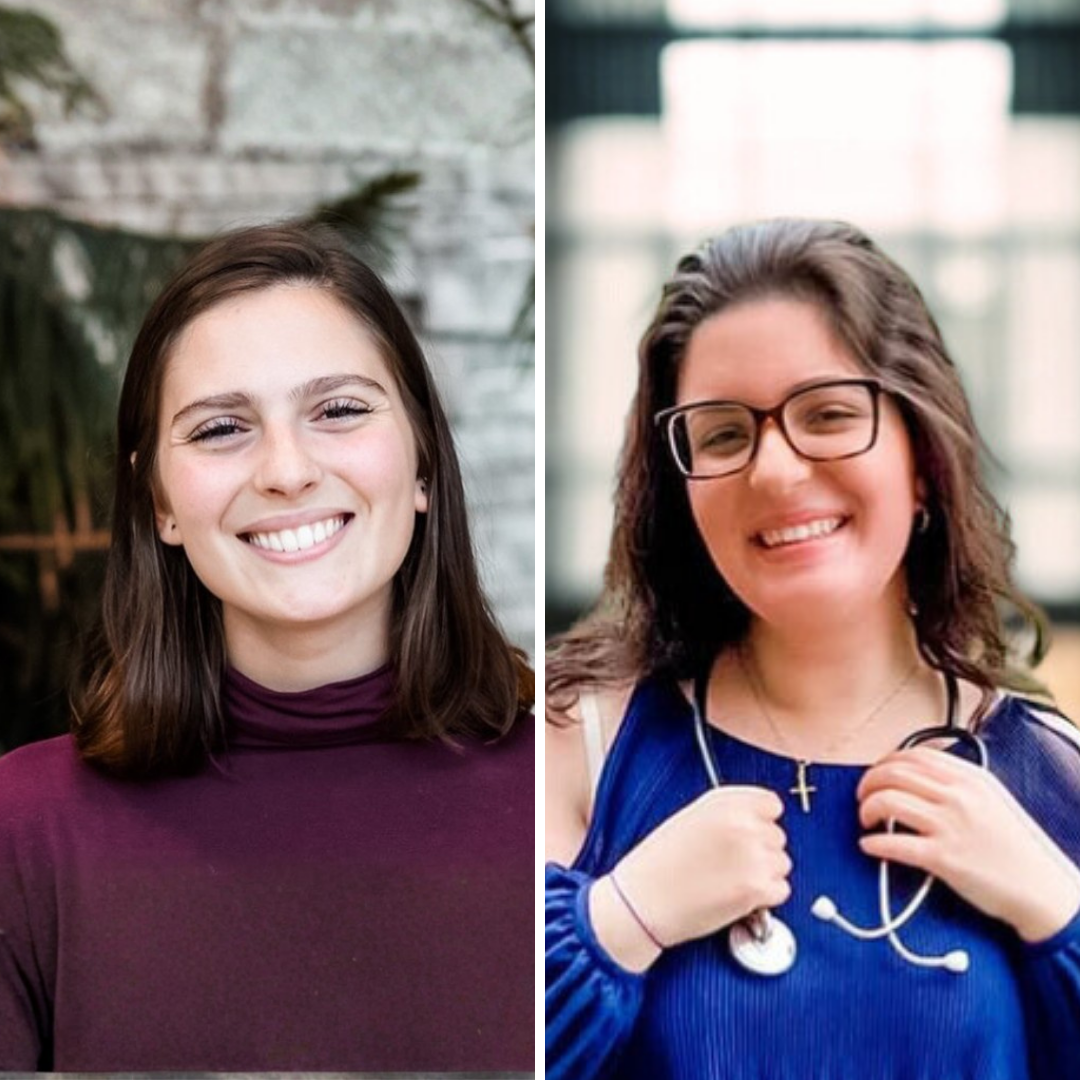
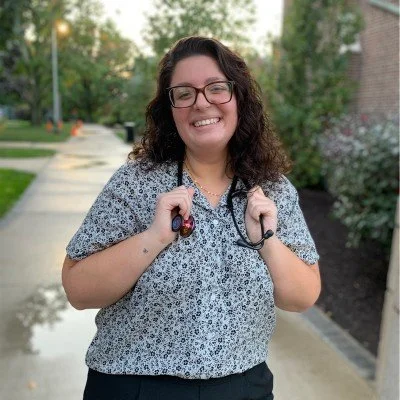
GUEST BIOShada is a first-year Physician Assistant student at McMaster University with a background in health sciences from the University of Guelph. She initially pursued a pre-med pathway before reassessing her goals and transitioning toward the PA profession after exploring multiple healthcare roles.
She gained hands-on exposure through shadowing in family medicine and developed a strong foundation in communication and self-directed learning. She was accepted to McMaster on her first application cycle.
Shada is actively involved in supporting prospective PA students by sharing practical insights on admissions, preparation, and navigating PA training.
ON SELF-FILMING FOR INTERviEW PREP“The #1 thing that helped me was filming myself. It's so cringy at first - listening to your own voice is probably one of the worst things. But you catch everything on camera. I realized I never smiled during interview questions. I was always touching my hair. I now have over 400 videos of myself answering questions. It gets so much better.”
— Shada, McMaster 1st year PA Student
-
Meet Shada: Her Academic Journey and Personal Interests
Shada [0:00] I've done my undergrad at the University of Guelph where I did a major in biomedical science and a minor in neuroscience, and I applied to PA school at the end of my fourth year. I just graduated in April of 2020. Now I'm about three months into my PA school journey.
Shada [0:31] I actually live in Hamilton now. I did move away to be closer to the school, which didn't workout quite the way I wanted it to. I moved so I could be close to campus, but I ended up living with two wonderful classmates, as well as some other future healthcare professionals.
Shada [0:49] We all have a little healthcare house, which is wonderful. Some other things about me: I play the piano. I don't have any pets, but I do have plans. I really want to get a puppy, and some of my classmates have actually been getting puppies and they're making me really excited to do so.
From Pre-Med to PA: A Journey of Discovery
Anne [1:10] How did you come across the PA profession? When did you first hear about it?
Shada [1:15] I actually first heard about the PA profession at the Ontario University Fair in downtown Toronto, where universities set up booths for undergraduate programs. I ended up going because I was really interested in McMaster's Health Sciences program.
Shada [1:34] While I was wandering through their booth, I noticed they had a medical school booth and beside it, a physician assistant booth. Mind you, I had no idea in 12th grade what the physician assistant was. I was talking to someone there — I'm assuming she was a student — and she was lovely.
Shada [1:51] She gave me a pamphlet and talked me through what PAs do and their role in healthcare. This was about five years ago. It was still a relatively new profession, but I kept it in my back pocket. I thought, we'll see where life takes me.
Shada [2:07] At the time I was thinking more pre-med, but I did keep that pamphlet. As I got into undergrad and went through the motions, I was a traditional pre-med. I was doing the volunteering, the jobs, and the shadowing in order to get into medical school.
Shada [2:28] But when I was really confronted with the reality of having to apply, I was a little bit nervous and I didn't know why. After some reflection and writing down my goals and thinking about what I actually wanted out of my career, I realized that medical school really wasn't for me.
Shada [2:47] This was a huge culture shock for me. If any pre-meds are listening, you kind of dedicate your undergrad to building up to that. When I realized it wasn't for me, it was almost like a piece of my identity had been taken away and I didn't know how to fill that.
Shada [3:03] I started filling it with shadowing and volunteering in different healthcare professions because I wasn't sure what I wanted. I knew I wanted healthcare because I wanted to help people, but I wasn't sure which route was right for me. Through the shadowing, research, and talking to people, I came across the PA profession again.
Shada [3:21] It almost felt like fate because I had learned about it so long ago and then revisited it. I thought, I'm going to shadow this profession, do more research, and see if it's right for me. And here I am — it ended up being what I wanted to do.
Anne [3:34] That sounds like a very familiar journey that I feel like every PA student and practicing PA has gone through. A lot of us just stumble upon the profession. You don't come out wanting to be a PA — you stumble upon it while looking at other careers.
Anne [3:51] I really resonate with being on the pre-med route. Was it something that your parents were very invested in, or were a lot of your peers going for it as well?
Shada [4:03] One hundred percent. I went into undergrad not really knowing what I wanted to do, just thinking healthcare is for me, let's keep things broad. But being in the BioMed program, it's very pre-med heavy and it's kind of all they talk to you about. I remember sitting in a 600-person lecture and the professor asking on our very first day who wants to be a doctor.
Shada [4:25] Everybody's hands shot up. My tiny little hand too, but I wasn't really sure. Being in that culture and surrounded by peers who wanted to do med school kind of fed me to think that I wanted it too.
Shada [4:41] But when you really sit down and think, okay, I have to apply, this is the rest of my life — that's when I started thinking maybe this isn't for me. Maybe I just avoided thinking about it until now, and now is the time to do so.
Anne [4:56] You talked a lot about doing self-reflection, writing down your goals, and that something didn't sit right with you when you were contemplating the traditional med school route.
Lateral Mobility and Bridging Healthcare Gaps
Anne [5:06] So what was it specifically about PA that drew you to think this might be a good fit for you?
Shada [5:13] As I progressed, and even in school now, the more I learn about the profession the more I fall in love. Specifically, I remember being in my third year and thinking, do I really want to spend this many years in school to do a specialty that I might not be 100% in love with?
Shada [5:31] I'm someone who really likes to move around. I don't get comfortable in one job or situation — I like to keep things interesting and keep switching. So I love the idea of lateral mobility with the PA profession. Ultimately, especially from a public health perspective, I wanted to bridge those gaps in healthcare.
Shada [5:50] I found that the PA profession was something that could help me do that — work with communities, for example rural communities, to be able to do so. Of course you can do those things with the traditional medicine route as well.
Shada [6:06] But with the PA profession, the missions they were after kind of lined up with my own goals. When I spent time journaling, it all felt right. It felt like the profession was meant for me.
Navigating Family Expectations and Explaining the PA Role
Shada [6:20] Talking to my family about this was so hard. I come from a Middle Eastern background, and "physician assistant" itself doesn't translate nicely — it sounds like an assistant. My parents and extended family were like, you're too smart to be an assistant.
Shada [6:35] And I was like, well, that's not what it is. Having that conversation was so foreign. Whereas if I had said I want to be a doctor or a nurse, there wouldn't really be any follow-up questions. It's kind of just accepted. But I had to explain myself every time.
Shada [6:54] Over time it becomes easier to answer that question. When people ask me why PA and not med, I have an answer. And even if it's not what the other person is looking for, I know it makes me happy. At the end of the day, that's all that matters.
Anne [7:10] It takes a lot of self-reflection and courage to pursue something that isn't as traditional or as well known. I think that's a journey that a lot of pre-PA students and practicing PAs go through too.
Shada [7:24] It is kind of unique, honestly — the journey we have to go through. We don't come out of the womb knowing this is what we want to do. We stumble across it. We learn about it online, we see someone's Instagram or Facebook and then we're like, what's this? What's this new profession?
Shada [7:43] And then there's the process of telling people that you don't want to do the thing you said you were going to do. That's so hard. There's always the follow-up of why. But you know what — patients also ask. As I've learned in the program so far, most of the time when you encounter a patient interaction, they're going to say, what's a PA?
Shada [8:00] So practicing on your family is probably going to help me in my future anyway, so no big deal.
Anne [8:04] It's a conversation you're prepared to have over and over again. It's kind of trailblazing and doing something different, which is not the path for everybody. But I'm glad it worked out for you.
Shada [8:15] Thank you. You took the words right out of my mouth. It's hard at first, but it gets so much easier. Now it's like a clear path.
Shadowing Diverse Healthcare Roles to Find the Right Fit
Anne [8:23] What were some of the other careers you were contemplating, or was it just PA versus MD?
Shada [8:28] It was actually a ton of other careers. I find I'm a little bit unique when I talk to other students — a lot of them have just PA versus MD in their mind. Whereas when I left the MD idea, I was like, wow, I don't know anything else that exists because that's what I had been fixated on for so long.
Shada [8:48] So I did a ton of shadowing in my third and fourth year to figure that out. I shadowed physio, OT, nurse practitioner, naturopath, and then a PA. Through volunteering I also got to see what nurses do, what radiation technologists do, and a ton of other professions.
Shada [9:09] Even though I enjoyed working with them and loved what they did, when I was actually there exploring the day in the life in person, it was easy to know what I wanted to do and what I didn't. I loved what they do and I know it's important, but it just wasn't for me.
Shada [9:27] When I shadowed a PA in my third year, I almost instantly knew — this is exactly what I want to be doing. I knew it was the way I could build real patient relationships and follow people throughout their lives. I could also help diagnose and treat, which is really what I wanted to do the whole time. It just took a while to figure it out.
Anne [9:56] The opportunity to practice medicine in a little bit of a different way. The fact that you did the research with an open mind is great — you're going to be encountering those other health professions anyway as a practicing PA, so that only helps and benefits you in the long run.
Shada [10:16] It was so nice to learn about what other people did in healthcare. When I left the MD idea, I was like, I don't even know what an OT does. I don't know the difference between a nurse and a PA. I had to go through the motions and figure that out. Having that broad idea of all the different healthcare professions made it easier to narrow things down, rather than just fixating on another one instead of MD.
In-Person Shadowing: A Day in the Life of a PA
Anne [10:46] Can you tell us a little bit more about what it was actually like to shadow a PA? How did you set it up? How did the day go, and what were some highlights from that shadowing experience?
Shada [10:57] It was in the summer of my third year and I was in Guelph. I reached out to the CAPA student representative through email and said I'm really interested in the PA profession — I'd love it if you could connect me with a PA in my area. I told them I go to the University of Guelph and asked if there was a practicing PA nearby who would be open to an informational interview or having me come shadow.
Shada [11:38] This was pre-COVID, so it was pretty easy to shadow in person. Kathy — who I recently learned was your classmate — reached out and said she'd love to have me for a day. She worked out of a family health team, so a family medicine clinic. It was great. I worked with her for about eight hours.
Shada [11:59] I was able to sit in the room and watch her do patient histories, whether focused or comprehensive, and see the way she interacted with her patients. She knew all of her patients by name. There weren't really any new patients that day — they were all familiar to her. She was asking things like, how were the kids? How's your dog? It was so nice seeing that relationship she had with them.
Shada [12:16] I got to see some really interesting things — a lot of different medications she was prescribing and a lot of different situations. Kathy was also wonderful about debriefing with me after each patient. We'd go back into her office and she'd ask what I thought, what I noticed, what I didn't notice, and she'd go over things with me.
Shada [12:50] She let me email her questions and I actually asked her about the application process when that time came a couple months later. She was absolutely lovely. That's why I advocate for shadowing so much on my Instagram — if I didn't have that day, I wouldn't have known the profession was for me.
Shada [13:07] Everybody's different. Sometimes you can do online research and just think, yep, this is the one for me. But I'm someone who needs to do the day-in-the-life and understand the tasks the profession actually faces. You can go online and do all the research you want, but you won't really get it unless you go in person or at least talk to a PA.
Anne [13:30] Just an FYI — not every successful PA student candidate actually gets an opportunity to shadow. Many people who do get into the program don't necessarily have that opportunity, so don't stress about getting it.
Shada [13:41] Yeah, and even if you don't get to shadow, even just speaking to a PA is also helpful. I went on Facebook and Instagram and reached out to PAs, asking about why PA — that was my main question. I wanted to hear why people chose it. The answers I got really validated my own decision. I would recommend to anyone thinking about the profession to just go out and reach out. Step out of your comfort zone, because I promise it will help you.
Applying Once and Standing Out with Confidence
Anne [14:13] Was this the first time you had applied to PA programs?
Shada [14:17] Yes. I applied one cycle and got into McMaster. I actually didn't apply to U of T, which is a little rare. I looked at the curriculums and felt that McMaster's would be more challenging for me because of the PBL format. I wanted to go from big lectures to small group learning. So far so good — I really love it and find that it's really benefiting my learning.
Anne [14:50] What do you think made you stand out or be competitive in PA admissions?
Shada [14:55] Confidence is one thing that can really help. After all the shadowing and volunteering, I was confident in my decision. I kept thinking, if I'm going to do this, I'm going to go all in. I'm going to think positive. If it works out, great. If not, we try again, because I know this is what I want to do.
Shada [15:10] That confidence comes across in your supplementary application and in your interview — just knowing what you want to do, knowing why you want to do it, and knowing how it's going to benefit you and society. Doing that research and self-reflection was one of the things that benefited me most during the application.
Anne [15:43] Admissions is quite holistic — it's not just looking at GPA. They're also looking at CanMEDS competencies like leadership, communication skills, collaboration, and critical thinking. If pre-PA students were looking to develop their communication skills, whether written or verbal, what would you recommend?
Shada [16:10] Developing those soft skills is one of the most important things because it's going to come across in your interview and supplementary application. The biggest thing I can say is just to step out of your comfort zone, and for each individual that looks different.
Shada [16:25] For me, it was doing that volunteering and shadowing and reaching out to people through email or DM. For others it might look different — whether it's at your current job, online during COVID times, or in small groups in class. Having positive relationships, asking for feedback, building a support system — those things really help.
Shada [16:49] When you have that support system, you can really ask for feedback: how do you think I'm doing? How can I improve? You can ask the person you're volunteering with, your employer, or a mentor. For me, Kathy was one of my mentors. She was someone I could talk to about my application and ask, what do you think would make it stronger?
Shada [17:22] Through that process, you're not only making yourself a stronger applicant — you're also improving those soft skills. That's what's going to come across in your interviews and what admissions is going to see. It all goes back to confidence. If you're confident in yourself, your communication and all those other things will fall into place and improve over time.
Extracurriculars and Jobs That Shaped My Success
Anne [17:52] What were some of your undergrad experiences you attribute to your success, whether that's coursework, grades, extracurriculars, et cetera?
Shada [18:02] I definitely focused a little bit more on extracurriculars and the experience side of things. I did put a lot of effort into my GPA, but I knew that as someone who isn't a natural 4.0 student, I needed to make up for it in other ways. I wanted to be a stronger, more well-rounded applicant.
Shada [18:21] Something I'd attribute to my success was my job. Throughout university and high school, I was always drawn to working with children. I worked at the City of Brampton and taught dance, piano, and preschool preparation courses for little ones during the summer — things like kindergarten readiness programs.
Shada [19:01] I then went on to be a camp counselor and worked my way up at the YMCA to senior staff. I was a program head right up until I applied to PA school — the summer of fourth year was the last time I did that.
Shada [19:20] Those experiences definitely taught me a lot. You're communicating every day with kids, their parents, and your staff. I was able to work as a team, ask for feedback, collaborate, and take on leadership roles I wasn't always comfortable with. Now that I look back, I know they taught me so much. I was able to reflect on those experiences during my interviews and relate them back to the questions I was being asked.
Shada [20:00] If I have any advice for anybody, it's just do anything that you enjoy. Whether it's being a camp counselor, a waitress, working customer service — whatever makes you happy, go ahead and do that. Because when you look back at those experiences, you're going to have learned the soft skills. It doesn't matter the job.
Shada [20:20] Sometimes people think they have to do certain cookie-cutter volunteer experiences like volunteering at a hospital. That's great and will introduce you to medicine, but sometimes doing other things can make you stand out as an applicant because you bring a different kind of experience to the table.
Asking Key Questions and Seeking Feedback for Growth
Anne [20:46] What types of questions should pre-PA students be asking themselves when reflecting on how their experiences have impacted them?
Shada [20:54] The number one thing I always ask is: what did you learn from this? It's a broad question, but you can tailor it to each experience. If I took on a new leadership role, I'd look back and think, what went right? What would I repeat? What did others respond well to? Then I'd think, what didn't go well? What would I change?
Shada [21:32] I'd write it all down in my journal — this is what I'm happy with, and this is what I'm concerned about and will do differently next time. Then I'd go back to my senior staff team at camp and just ask: I did this last week, what did you think? Did you think I planned it well? Is there anything I can do differently?
Shada [21:49] Gaining that feedback — and it wasn't all sunshine and rainbows, they'd be honest with me — those little things sound so removed from your PA application, but they are applicable. When you think about PA school, you're working in small groups. In the profession, you're working in teams. You need to be able to accept feedback, learn from it, and improve.
Shada [22:25] One of the things I've always loved about the profession is the idea of lifelong learning. Talking to the people around you, getting feedback, applying it to yourself, and giving feedback to those around you — you work together, improve as an individual, and improve as a team. That's one of the things I would always vouch for.
Scheduling, Balance, and Quality Over Quantity for GPA
Anne [22:56] What were some things you did to ensure you maintained good grades and stayed consistent with performing well in school?
Shada [23:03] Making a schedule for myself was the number one thing. In first year, I actually had a considerably lower GPA than what I finished undergrad with. It was a big transition — I'd lived in Brampton my whole life, I'd never lived away from home, and then I moved to Guelph and lived in residence. Everything was really new. The courses were difficult and I found it hard to keep up.
Shada [23:35] As I went through the years, I took little things away from my peers and learned from them. Having a schedule, planning time for fun things — not just thinking today I'm going to do lectures one through nine. I would plan, tonight I'm going to watch a movie with my roommate. Tomorrow morning I'm going to go to the gym. Those little things helped me stay on track while also making sure I had time for myself.
Shada [24:14] In first year I struggled because I dedicated all my time to studying and was still frustrated that I wasn't getting the grades I wanted. Leading into third and fourth year, I had a schedule and I learned how to balance work life, friends, and family. My grades actually improved with that, which people hear and think, how? How did you not dedicate more hours to studying?
Shada [24:46] Quality over quantity. If you study using techniques that actually work for you, even for a shorter amount of time, it really helps. That was something that genuinely improved my GPA over four years. When I applied, I didn't have the highest average, but it was competitive enough to get my foot in the door, and I could shine in other areas — extracurriculars, previous experiences. I was able to balance it.
Filming Yourself: A Key to Interview Preparation
Anne [25:24] How did you prepare for the PA admissions evaluations, whether the supplemental application or the interview? And how did you address nervousness around that?
Shada [25:37] This is a really fun one for me. The first thing I did was go on Instagram and message every PA student I could find — I'm pretty sure I messaged every McMaster student at some point. I asked, what did you do to prepare? What advice can you give me to get ready for the supplemental application? I took all of that feedback and put together a list of things I wanted to try. Some things didn't work for me, and other things did.
Shada [26:16] The number one thing that helped me with my communication skills was filming myself. It's so cringy at first. It doesn't feel normal. It feels unnatural. And listening to yourself back is probably one of the worst things at first — you're like, I don't want to hear my own voice.
Shada [26:34] But over time, if you watch yourself back, you can see the different things you do that you need to work on or add in. For example, I never smiled when I was doing interview questions. I was so serious because I was focused on getting through my points. That was something I could add in. The other thing was that I always touched my hair because I was nervous.
Shada [27:05] So I learned — I'm not going to be able to stop that, so I'll just put my hair back. These are things I wouldn't have noticed if I was just practicing in the mirror. You don't notice because you're so nervous, but when you film yourself, you catch it all on camera. Then you go back and think, I loved that one — or, that one was bad, let's try again. Take out the hand movement. You're talking too quickly, you're stuttering.
Shada [27:43] In my phone right now I have over 400 videos of me answering questions, all about six minutes long. Some of them I just get so frustrated and delete early. At first it feels unnatural and weird, you'll get frustrated, but over time it gets so much better. When you actually go to do the supplemental application, you'll feel so much more confident. For Mac specifically, the supplemental has always been an online video submission through Kira Talent — so filming yourself really helps you face that fear.
Shada [28:20] I also Googled Kira Talent questions and asked PAs for advice — not the exact questions, but what did you do to prep? What would you recommend? The number one thing: reach out, film yourself, do it in front of your friends and family. It's weird and awkward, but I promise it will help you.
Overcoming Imposter Syndrome and Building Community in PA School
Anne [28:40] What was it like starting PA school?
Shada [28:41] Starting PA school was intimidating. I wasn't meeting anybody. I was new to the whole Zoom and Google Meet format. And I was like, wow, these people are so smart. I was faced with a ton of imposter syndrome — what am I doing here? Everyone else must have such healthcare backgrounds. They must know so much more than me.
Shada [29:20] Honestly, I was intimidating myself, because the more I got to know my classmates, the more I found out that their backgrounds are so vast and different from each other. We all bring something different to the table. My nerves kind of settled once I started getting to know them. Online it's harder, but we had little socials and we made group chats. I'm also lucky to live with two of my classmates, which helped.
Shada [29:37] For me personally, I felt that if I had stayed home, I would have felt very alone and wouldn't have been able to share my struggles and victories with other people. Building those relationships and having a great support system helped calm the nerves. They definitely picked back up at our first CRE — and we have one in a week, so the nerves are back. But now it feels more like a schedule. I know my classes, my preceptors, my classmates. It's become more natural.
Anne [30:23] Do you have a lot of instructors who are actually practicing physician assistants?
Shada [30:28] Yes. My TBL preceptor is an emergency and family medicine PA who practices in Hamilton, which is awesome. And my preceptor for the interviewing, examination, and reasoning course — our clinical skills course — is in the Niagara region working in family medicine.
Shada [30:49] We switch professors and speakers every week, so sometimes it'll be a PA — we had Sahand a couple of weeks ago, which was absolutely awesome — and sometimes we'll have physicians, or other professionals like a speech-language pathologist coming up this week. They kind of rotate in and out depending on the session. It's really nice, and we get to learn about different professions as well. But yes, we do have a lot of physician assistants teaching, which I absolutely love.
Managing Burnout and Staying Motivated in Online PA School
Anne [31:20] How do you make time for study and not burn out from being on a screen so much?
Shada [31:28] At first it was very hard. I've been staring at my laptop for way more hours than I ever would have in my undergrad, pre-COVID. The biggest thing, going back to scheduling, is just making time for yourself. I'm lucky to live with my roommates — being able to socialize with other people, even if it's online, makes a difference. We've done socials on Zoom where we'll play games together.
Shada [32:08] Even just watching a TV show with my roommates halfway through the day as a study break keeps you motivated and helps with burnout. My roommates are all from different backgrounds and different programs, but we all feel the burnout the same way. Just making sure you're cooking for yourself a couple times a week, going for a walk in your neighborhood, going for a drive — anything to clear your head. Those little things actually motivate you more to study.
Shada [32:48] Sharing your struggles with people is also so helpful. My PBL group has a little group chat on Facebook. At first it was very formal — we were sharing articles and that was it. But now we share jokes, talk about what we're doing on the weekend, and we're actually friends, even if we haven't met in person. We avoid burnout together, and we cheer each other on too — things like, you did amazing sharing that pathophysiology in tutorial today. It just really helps.
Sharing the PA Student Experience on Instagram
Anne [33:36] What inspired you to document your journey on Instagram?
Shada [33:39] Honestly, it was everyone else. When I was in the application process, I was looking at your blog and your Instagram, and Arthi's and Zach's — everyone who had this beautiful documentation of their student life and their practicing PA life. I thought, I'd love to do that too.
Shada [34:17] I kind of wanted to do it as a personal journal to look back on. But I also love the fact that I could go on Instagram when I was unsure of what I wanted to do, message PA students, and have them actually reply. That meant so much to me. I felt like I wanted to do that for other people. I think it's something I'll keep doing long-term — talking about applying for jobs, writing the certs, my first positions, all of it. I'll be able to look back and smile.
Anne [35:00] That's what's so great about the PA community. There's a strong sense of paying it forward. PA school felt like such a black box to me — I didn't know anything about the profession. It was a McMaster PA student in the very first class who sat down with me for coffee to talk about her journey. I appreciated that so much. Even if you just positively affect one person, I think it makes it all worthwhile.
Shada [35:36] Absolutely. One of the other things I found so great was the Canadian Pre-PA Facebook group. In my undergrad, I was the only one who even knew what a PA was. I was sharing it with my friends and they were like, I didn't know that existed. They were all kind of a pre-med group. But now I'm so thankful for that Facebook group — being able to connect with Alyssa and Hannah, and even though we were applying to different schools or at different points in our journeys, we bonded on the fact that we're in this together. That online community and support system was amazing.
Anne [36:11] That's what's so neat. I actually didn't meet anyone until I got to the MMI interview. Were there any final words or advice you'd have for students applying to the programs?
Shada [36:26] The biggest piece of advice I have right now, especially in these unprecedented times, is just hang in there. If you need support, reach out — even if it's to someone you don't know in the online community. I promise we don't bite. We're all here to uplift and support each other. Any advice you need, even if you just want to vent, we're all here to listen.
Shada [36:41] Keep going. You've got this. I know the application cycle feels really daunting, but just keep going. I know you can all do this.
Anne [36:59] Do you have any advice about GPA? That seems to be a very common question — what do I do if I don't feel my GPA is competitive enough?
Shada [37:09] I always get DMs from people saying their GPA isn't where they want it to be and asking whether they should go back and do more courses. My number one thing is: really reflect and think, if I go back and do these courses, by how much is my GPA actually going to go up? Should I try applying first?
Shada [37:28] Don't be so hard on yourself. There are so many people who get into PA school with GPAs that aren't the shining competitive numbers we always hear about and feel a little fearful of — myself included. Seeing people getting in with 3.9s and 4.1s was really scary for me in undergrad. But if it doesn't happen, it shouldn't deter you from applying, because you have so much else to bring to the table.
Shada [38:01] Look at your experiences. Step out of your comfort zone and expand them. And if you do go back and do courses, it's not a bad idea either — just reflect and think, what do you want to do to improve yourself as an overall applicant? Don't weigh GPA so much, because I promise it's part of it, but it's not the whole picture. Definitely not the whole picture.
Anne [38:29] Well said. I completely agree. You really have to weigh the pros and cons — it's more time, it's money, and you have to ask yourself whether it's better spent on GPA or improving other areas like communication skills, written skills, or getting more experience. Remember: work on being a holistic, well-rounded applicant, and don't go to one extreme with one aspect of the application.
The Ongoing Challenge of Explaining the PA Profession
Anne [38:55] What do you think is the most difficult part of the PA profession, in your opinion?
Shada [38:58] I'm pretty new — only a couple months in — and I feel like I'll come across more things that I find difficult down the line. But right now, one of the things I find pretty challenging is having to explain what a PA is every single time you encounter a patient, a family member, or a friend.
Shada [39:22] It's not something I'd call difficult exactly, but it can get a little frustrating. It's almost like you don't want to keep having to justify your career choice. But take that with a grain of salt — I keep reminding myself that I'm going to have to do this for a very long time, because the profession is so new. We have to take it less as something frustrating and more as a chance for advocacy. Tell people what a PA is. Give them a good experience in the patient interaction. That way they'll trust you and you'll build a good relationship with them.
Anne [40:12] Especially when people are encountering PAs for the first time, it's very common to get those kinds of questions. People aren't sure what you're capable of or what you can do. Being okay with proving your value is part of it. Going through imposter syndrome with every new experience as a PA student and then as a practicing PA — I think just being kind, doing the best you can, and at the end of the day, it's about your patients and the quality of care you provide. Being proud of the impact you're making, on your patients and on the staff you work with — it can be very, very fulfilling.
Reflecting on the PA Journey and Future Outlook
Anne [40:52] I think the most part, a lot of us are okay with those questions — and it's getting better. People are a little bit more familiar with the profession than they were ten years ago when I applied. Thank you again for your time, Shada. I appreciate it.
Shada [41:19] Thank you so much for having me. It was wonderful speaking with you, and thank you so much to everyone who watched. I really appreciate it.